
The Bekwai Municipal Assembly in the Ashanti Region has embarked on a major road rehabilitation programme to improve accessibility, reduce transportation challenges, and stimulate local economic activities. The initiative, undertaken through the Decentralized Road Improvement Project (DRIP) Secretariat, comes as a timely intervention after years of neglect that left several communities struggling with deplorable roads.
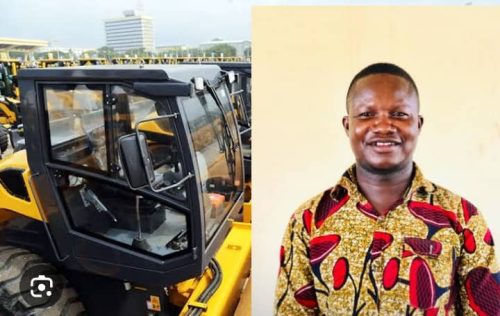
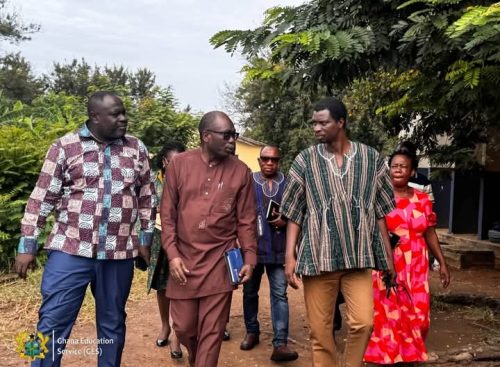
Speaking on the project, the Bekwai Municipal DRIP Coordinator, Hon. Asiedu Gabriel, emphasized that the Assembly is committed to reshaping rural road networks to serve both social and economic needs. He noted that the ongoing works include graveling, regrading, and spot improvements on key road corridors within the municipality.
A central component of the programme is the reshaping of the 3-kilometre Worakese–Asamang bypass, which is expected to serve as a crucial shortcut for farmers transporting their produce and students commuting to school. Hon. Asiedu pointed out that the project also supports the Asamang community’s plans to establish a technical school, making road access critical for the town’s anticipated development.
“So far, we have successfully regraded the Assuminja–Asantemanso–Kokofu bypass and moved on to Anwiankwanta, where another important stretch was reshaped. This 3-kilometre project is one of the most significant road interventions we have carried out, and we are determined to complete it within three days,” he explained.
Residents have warmly welcomed the initiative, describing it as a long-awaited intervention that will bring relief to commuters. They noted that the poor condition of the roads had discouraged taxi and tricycle (popularly known as pragia) drivers from using the stretch, making travel both expensive and inconvenient.
The Bekwai Municipal Assembly, through Hon. Asiedu Gabriel, has also appealed to community leaders to follow proper procedures in contacting the DRIP office in order to gain access to road improvement equipment. This, he said, will help ensure fairness and extend the benefits of the reshaping programme to more communities within the municipality.
For many households, the road rehabilitation effort is already seen as a turning point. “For years, we struggled to get our farm produce to Bekwai township because drivers refused to use this road. Now, with the reshaping, we can save money and time, and our children can also go to school safely,” a resident remarked.
The project is expected to significantly improve mobility, boost local trade, and provide safer and more reliable routes for schoolchildren, farmers, and transport operators across the municipality.