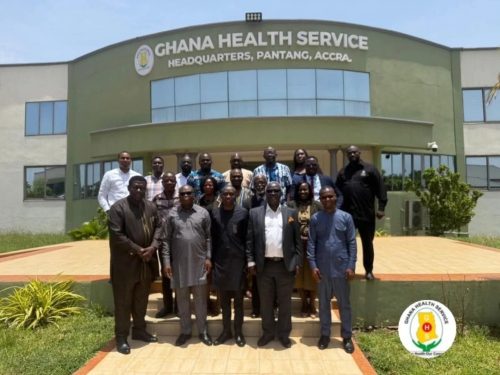

In the bustling corridors of Ghana’s government ministries, agencies, and departments, a grim reality lurks behind the polished offices and official protocols. The junior officers who form the lifeblood of the nation’s workforce are quietly enduring hardship while their superiors thrive on the privileges of power. For these workers, public service has become a story of sacrifice without reward, where loyalty is taken for granted, and hard work is overshadowed by inequality.

Each day, clerks, secretaries, messengers, and other junior staff wake up before dawn to prepare for the long, exhausting commute into the city. Many live in distant, overcrowded suburbs because their meagre salaries cannot cover rent near their workplaces. Public transportation consumes a large portion of their earnings, while inflation continues to erode their purchasing power. At the end of each month, salaries barely stretch beyond the essentials, leaving them trapped in a cycle of financial strain.
The contrast with senior officials is stark and demoralizing. While junior staff count every cedi to afford food and transportation, their bosses cruise in luxury vehicles fueled at the taxpayer’s expense. Top-level officers enjoy government-sponsored housing, foreign travel opportunities, generous allowances, and comprehensive medical coverage. This deeply entrenched hierarchy paints a picture of a system that rewards rank over effort and privilege over merit.

Drivers, in particular, represent a class of workers whose sacrifices often go unacknowledged. These men spend long hours behind the wheel, transporting their bosses across cities and regions, sometimes at odd hours, and even running personal errands outside of office duties. They are rarely compensated for their overtime work or weekend commitments, and their sacrifices are met with indifference. Yet, without their dedication, the operations of government institutions would grind to a halt.

The plight of Ghana’s junior officers is more than just a personal struggle; it reflects a broader societal imbalance. The disparity between the lives of senior and junior staff sends a dangerous message—that loyalty and service do not guarantee dignity or fairness. Over time, this reality erodes morale, breeds resentment, and undermines the very productivity and efficiency the public sector needs to thrive.

The situation calls for urgent attention and reform. Ghana cannot continue to celebrate patriotism while ignoring the very people who keep the nation’s machinery running. Building a fair and equitable society means rethinking how workers at all levels are treated. Junior officers need living wages that reflect the rising cost of living, access to decent housing, and support systems that restore dignity to their work. Drivers and other frontline staff deserve recognition and fair compensation for the countless sacrifices they make daily.
Until the government and leadership confront these inequalities head-on, the gap between privilege and suffering will only widen. The sacrifices of junior officers will remain unappreciated, and their silent struggles will continue to represent a deeper national failure—a failure to value the very people whose commitment sustains Ghana’s progress.