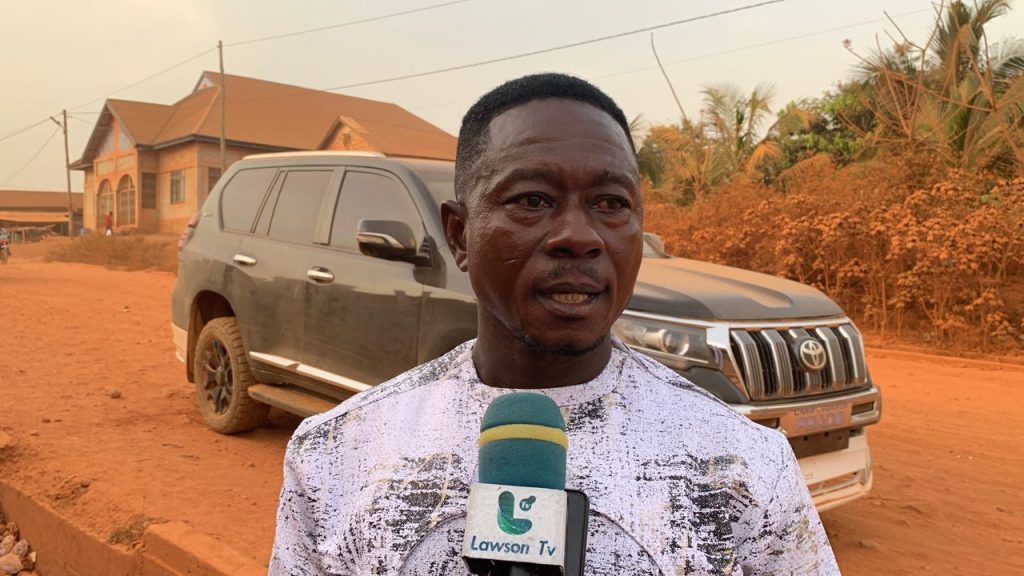
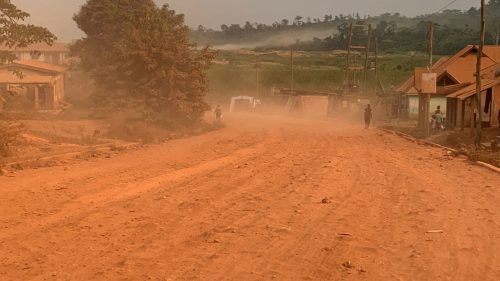
Philanthropist and businessman Mr. Kwame Ampofo, popularly known as Ortega, has called on Parliament and the Government of Ghana to introduce reforms that would allow private individuals to fund and complete road projects, particularly those stalled or abandoned by non-performing contractors.
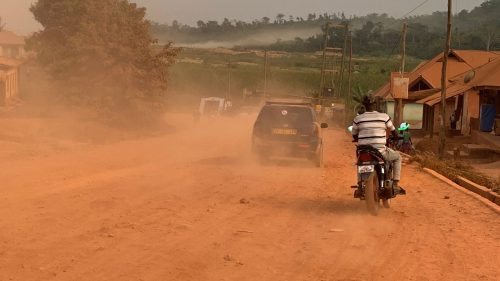
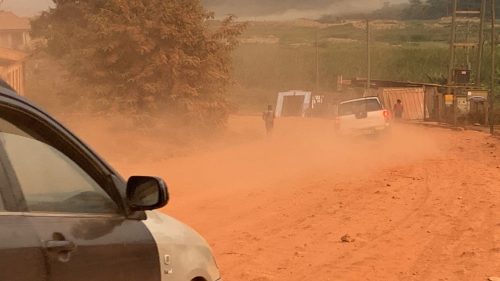
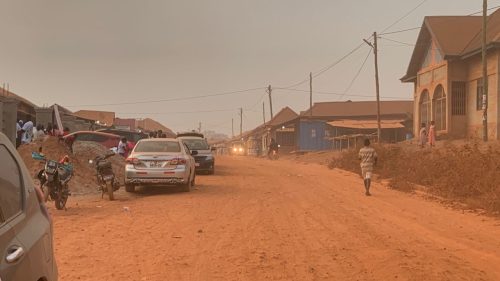
Speaking on the persistent challenges affecting road construction across the country, Mr. Ampofo said Ghana continues to lose millions in delayed infrastructure projects, with many roads left incomplete for years. “It is unacceptable that some contractors hold onto road projects for extended periods without delivering, leaving communities to suffer poor transportation, disrupted trade, and reduced economic activity,” he said.
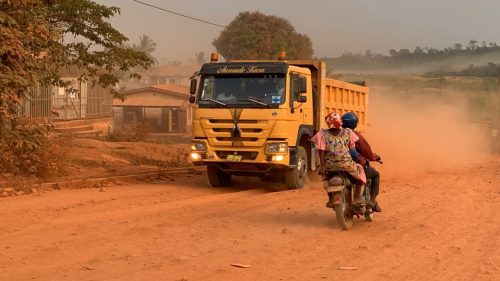
He stressed that the current system allows contractors to maintain control of projects without facing serious consequences for delays or abandonment. “Government and Parliament must put measures in place to revoke contracts from any contractor who fails to honor their obligations,” he said. “Once a contract is revoked, it should be reassigned to individuals or companies with the financial and technical capacity to complete the work promptly.”
Mr. Ampofo cited examples from Nigeria, where private individuals frequently fund and construct roads in their communities, complementing government efforts and accelerating infrastructure development. He believes Ghana can adopt a similar model to reduce the burden on government and fast-track road construction nationwide.

He further noted that existing legal frameworks sometimes discourage private intervention. “If an individual attempts to fund or support a stalled project while it is under contract, the original contractor may take legal action. This creates unnecessary delays and discourages patriotic Ghanaians who are willing to invest their resources into national development,” he explained.
According to Mr. Ampofo, opening the road infrastructure sector to private financing would increase accountability, improve efficiency, and ensure timely project completion. He emphasized that well-structured legal reforms could allow private investors to complement government efforts while safeguarding public interest.
Beyond infrastructure, Mr. Ampofo highlighted the need for Ghana to address environmental challenges related to illegal mining, popularly known as galamsey. He urged government to establish task forces in mining communities to reclaim degraded lands and enforce regulations to protect water bodies, farmlands, and forests.
“Development and environmental protection must go hand in hand,” he said. “We cannot build roads and other infrastructure while allowing our lands and water bodies to be destroyed. Strong policies, effective enforcement, and collaboration with private individuals and communities are essential for sustainable progress.”
Mr. Ampofo concluded by calling on Parliament and government authorities to urgently review Ghana’s road contract laws and policies. He stressed that doing so would not only accelerate road construction but also create opportunities for responsible private sector participation, improve national infrastructure, and stimulate economic growth across the country.