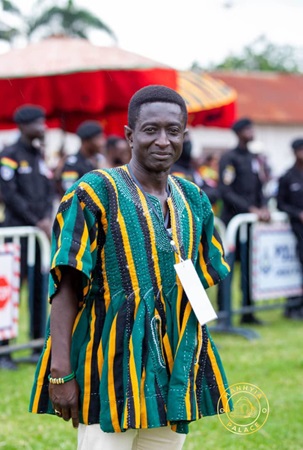

The Kumasi Metropolitan Assembly (KMA) has unveiled its Medium-Term Development Plan (MTDP) for 2026–2029, placing strong emphasis on community participation in shaping the future of the metropolis. The presentation, held on Wednesday, September 11, at the Prempeh Assembly Hall in Kumasi, brought together Assembly Members, Heads of Departments, Unit Committee Members, and representatives of civil society.

Leading the session, the Metro Coordinating Director, Mr. Francis Dwira Darko, explained that the new development plan was carefully prepared through extensive consultations with residents across twelve town councils. He emphasized that the Assembly is committed to ensuring that the voices of ordinary citizens guide decision-making and resource allocation in the coming years.
The Head of the Physical Planning Unit, Mr. Charles Kwesi Adjei, delivered a detailed review of the outgoing 2022–2025 development plan, assessing both achievements and shortcomings. He noted that feedback from the review process and community consultations revealed recurring challenges that continue to affect residents. Among these were concerns about public safety, access to education, road conditions, sanitation, market facilities, employment opportunities, and water supply. Mr. Adjei stressed that these concerns, widely shared across communities, had been unanimously endorsed as the most urgent priorities for Kumasi’s progress.
Addressing journalists after the presentation, Mr. Francis Dwira Darko reaffirmed the Assembly’s commitment to tackling these challenges in collaboration with relevant government agencies and development partners. He appealed to residents to play their part in ensuring the success of the plan, particularly by supporting Assembly initiatives and maintaining clean environments. According to him, resources that should be used for infrastructure and social services are often diverted to deal with avoidable sanitation problems, a situation he believes can be prevented through stronger community responsibility.
The unveiling of the 2026–2029 plan marks an important step in Kumasi’s development journey. By prioritizing inclusive governance and giving communities a central role in identifying needs and shaping solutions, the Assembly aims to create a framework that delivers lasting improvements in infrastructure, public services, and economic opportunities. Stakeholders who attended the event expressed their support for the plan and pledged to collaborate with the Assembly to ensure its successful implementation.