The Member of Parliament for Asawase, Hon. Mohammed Mubarak Muntaka, has made a compelling appeal to policymakers, development partners, and local authorities to prioritize preventive investments in disaster management as a sustainable strategy to safeguard lives, protect property, and preserve national resources.
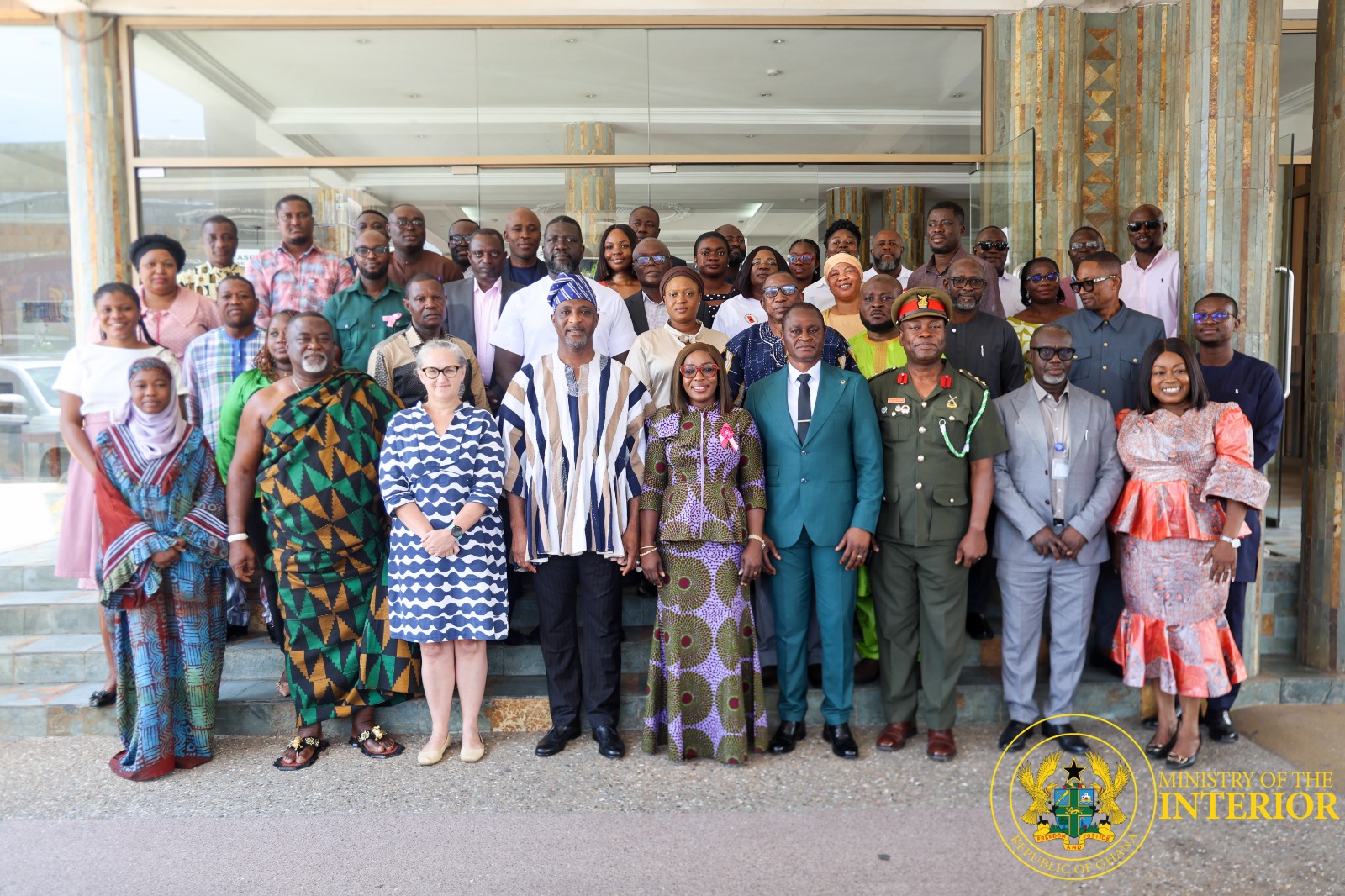
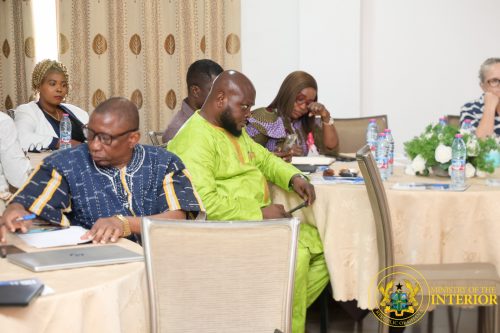
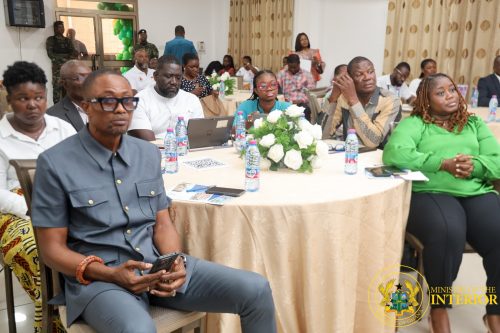
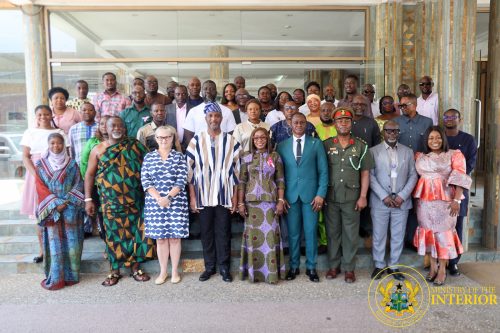
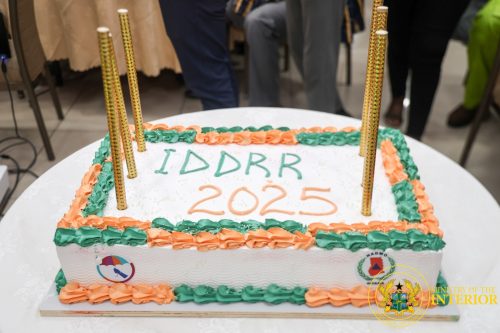
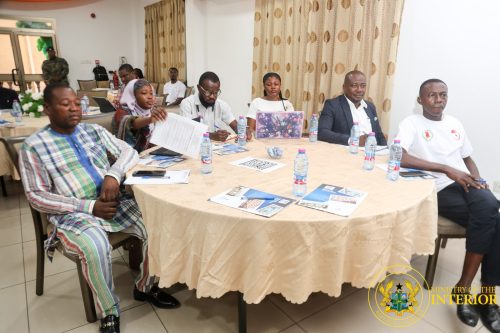
He made this call during Ghana’s commemoration of the International Day for Disaster Risk Reduction (IDDRR) held in Accra under the global theme, “Fund Resilience, Not Disasters.” The event brought together officials from the National Disaster Management Organisation (NADMO), the Ministry of the Interior, civil society groups, development partners, and disaster management experts to deliberate on proactive strategies for risk reduction and resilience building.
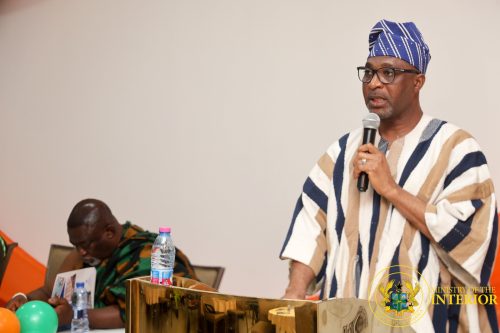
Hon. Muntaka underscored the need for Ghana to shift from reactive responses to proactive measures, stressing that the country’s current disaster management framework often focuses on relief efforts after disasters occur rather than on preventing them. He cautioned that this approach not only drains national resources but also slows down development and impoverishes communities.
“Every cedi we invest in prevention saves many more that would have been spent on response and recovery. Disasters are not just natural events — they are economic and social setbacks. If we plan ahead, educate our people, and build resilient systems, we will save both lives and national resources,” he stated passionately.
He noted that resilience building is not a one-off activity but an ongoing process that demands commitment from all levels of government and society. Hon. Muntaka therefore called for the integration of Disaster Risk Reduction (DRR) into local governance structures, urging metropolitan, municipal, and district assemblies (MMDAs) to mainstream risk management into their annual development plans.
According to him, prevention-oriented investment should target flood control, infrastructure strengthening, and early warning systems — areas that have consistently posed challenges in Ghana’s urban and rural communities. He also emphasized the importance of community education, arguing that public awareness is one of the most powerful tools for preventing loss of life and property.
Commending government’s ongoing efforts to mitigate disasters through initiatives such as the Ghana Hydrological Authority’s flood mitigation programmes and the Ghana Urban Resilience and Integrated Development (GARID) Project, Hon. Muntaka acknowledged that progress has been made but insisted that more needs to be done to secure the nation’s future.
He urged the government to increase domestic funding for resilience projects and called for stronger public-private partnerships (PPPs) to complement public investments in disaster prevention. “Resilience must be funded like a development priority, not as an emergency cost. We must treat disaster prevention as a national investment, not a charity,” he emphasized.
Hon. Muntaka also highlighted the crucial role of technology and innovation in modern disaster management, recommending that Ghana invest in data-driven risk mapping, satellite monitoring, and digital communication systems to improve early warning and response efficiency.
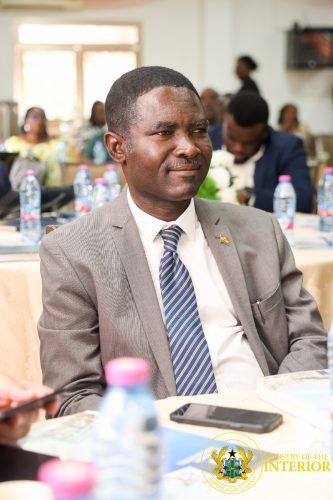
On his part, the Acting Director-General of NADMO, Major (Rtd) Dr. Joseph Bikanyi Kuyon, reaffirmed NADMO’s unwavering commitment to safeguarding lives and property across the country. He explained that the organization is pursuing reforms aimed at modernizing operations, improving logistics, and enhancing collaboration with key institutions involved in emergency management.
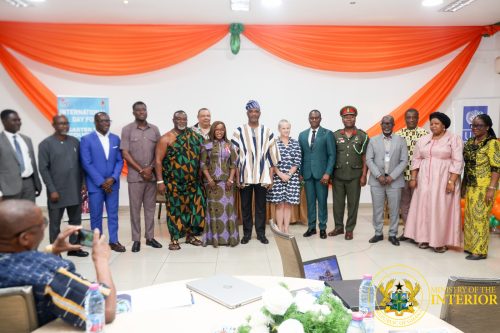
Dr. Kuyon called on all citizens to support NADMO’s initiatives and embrace a shared responsibility approach toward disaster preparedness. “Every Ghanaian has a role to play — from community leaders and private companies to schools and households. Together, we can build a more resilient nation,” he said.
The International Day for Disaster Risk Reduction, observed globally on October 13 each year, serves as a reminder of the importance of risk awareness, preparedness, and long-term investment in resilience to minimize the impact of both natural and human-induced disasters.
As Ghana joined the rest of the world to mark this important day, Hon. Muntaka concluded his message with a clarion call for collective action:
“Let us invest today to prevent tomorrow’s tragedy. The cost of prevention is far less than the price of recovery — and the value of a single lifesaved is beyond measure.”