The Government of Ghana is intensifying efforts to eliminate child labour across multiple sectors of the economy as it strengthens collaboration with development partners, particularly the Japan International Cooperation Agency (JICA).
The initiative is being spearheaded by the Ministry of Labour, Jobs and Employment as part of a broader strategy to expand the fight against child labour beyond the cocoa industry, where interventions have traditionally been concentrated.
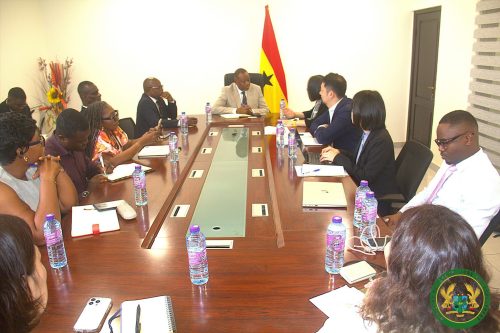
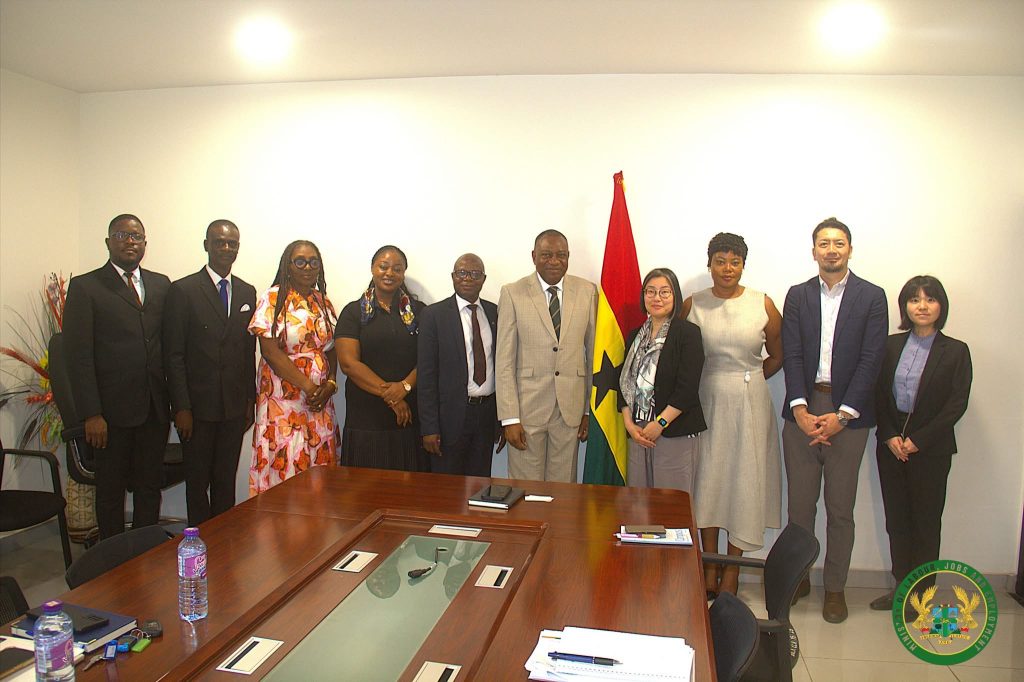
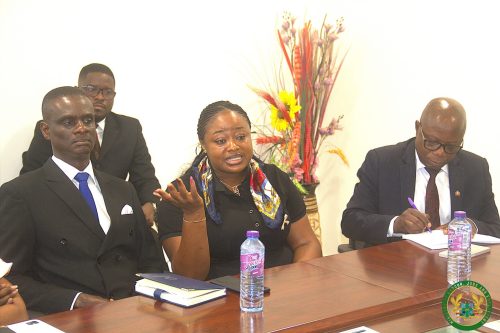
The renewed commitment emerged during a meeting between officials of the Ministry, the Child Labour Unit of the Labour Department, and a delegation from JICA to review progress made under the Child Labour Free Zone (CLFZ) guidelines and explore strategies for sustaining the initiative beyond the current project cycle.
Speaking at the meeting, the Minister for Labour, Jobs and Employment, Abdul-Rashid Hassan Pelpuo, emphasised the need to broaden the scope of national interventions to address child labour across other sectors of the economy.
According to him, although Ghana has made considerable strides in addressing child labour in cocoa-growing communities, restricting national strategies to the cocoa sector alone could limit the overall impact of ongoing efforts.
“We suggested that rather than focusing on cocoa alone as the primary area of emphasis, we should extend our attention to other sectors to determine how child labour can be controlled more effectively. This will help widen the scope of our operations,” Dr. Pelpuo stated.
The Minister further highlighted the critical role cooperative societies can play in supporting interventions aimed at tackling child labour nationwide. He explained that the Cooperative Department within the Ministry works closely with organisations operating in local communities, positioning them as strategic partners in the fight against child labour.
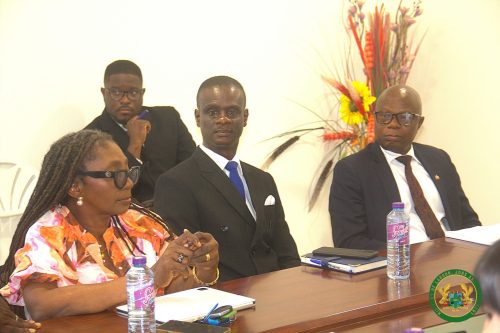
“We have cooperative departments that engage organisations within their local communities. These cooperatives operate across various industries and are present throughout the country, making them a valuable network to collaborate with in addressing child labour concerns,” he noted.
The JICA delegation, led by Deputy Director in Charge of Governance, Justice and Peace Building, Lee Chiaki, indicated that the project supporting the implementation of the Child Labour Free Zone guidelines is scheduled to conclude in December this year.
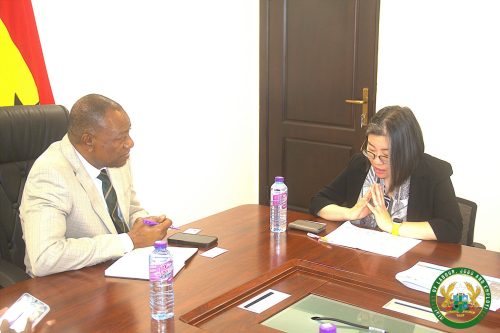
She explained that the timeline makes it particularly important for stakeholders to assess progress made so far and determine practical steps to sustain the gains achieved under the initiative.
Discussions during the meeting focused on strengthening the implementation strategy of the Child Labour Free Zone guidelines, sustaining the child labour-free declaration made in Bibiani, and enhancing collaboration among ministries and key institutions involved in addressing child labour in Ghana.
Members of the delegation also acknowledged that although Ghana revised the CLFZ guidelines and implemented them over the past three years, certain gaps have emerged between the original policy intentions and the realities of implementation at the community level.
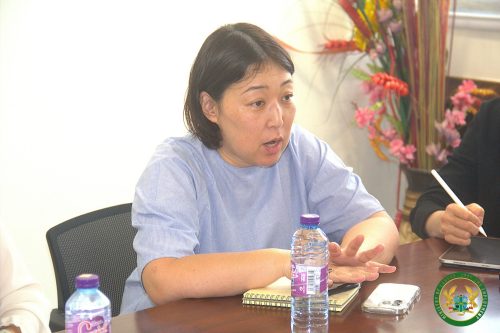
As part of efforts to consolidate progress, the meeting also discussed plans to commemorate the first declaration of a Child Labour Free Zone in Bibiani later this year. The event is expected to bring together government officials, development partners, and members of the diplomatic community to highlight Ghana’s achievements and renew commitments toward the elimination of child labour.
The government maintains that expanding interventions beyond the cocoa sector and strengthening partnerships with development agencies such as JICA will play a crucial role in achieving sustainable progress in the country’s fight against child labour.
Source: Public Affairs Unit, Ministry of Labour, Jobs and Employment.