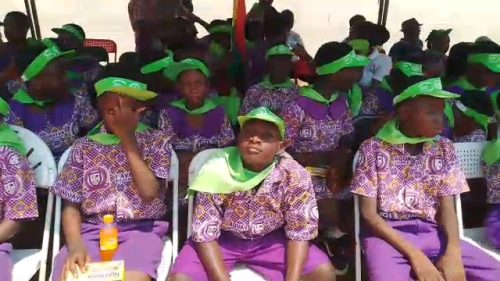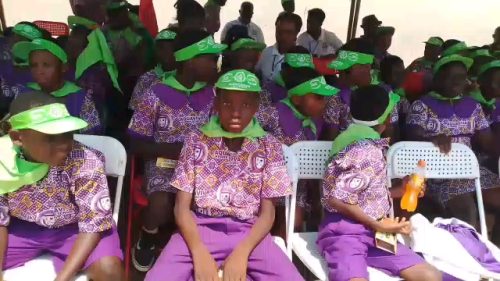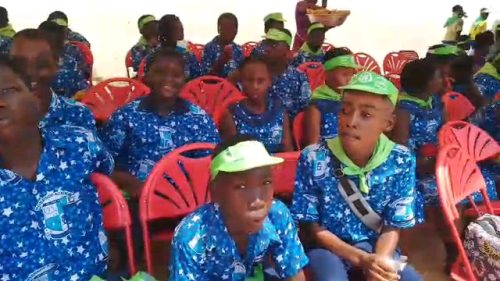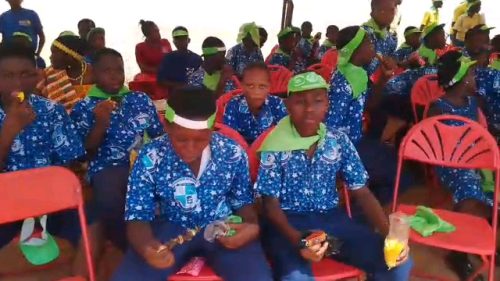
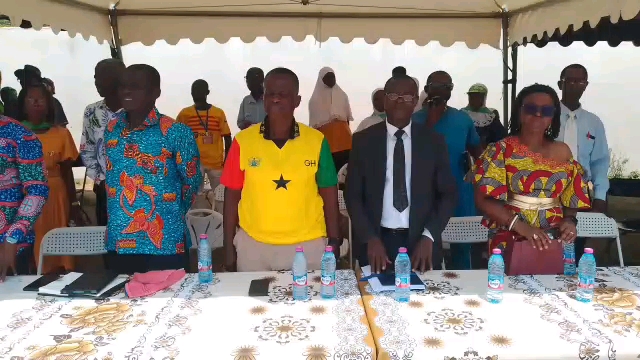
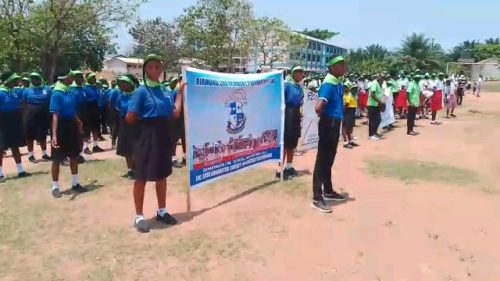
The Ghana National Association of Private Schools (GNAPS), Ejisu branch, has officially launched its 2026 Private Schools Week with a grand durbar at the Ejisuman Senior High School, under the theme, “Resetting Ghana’s 21st Century Education: Embracing the Creative Role of Private Schools.”
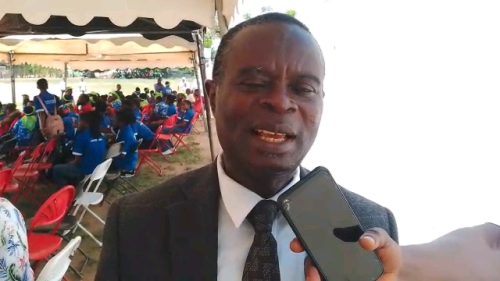
Speaking on behalf of the Municipal Director of Education, Mr. Isaac Boahen, Human Resources Manager of the Ejisu Municipal Education Directorate, commended private schools for their critical role in advancing education across the country. He highlighted that private institutions complement government efforts by expanding access, introducing innovative teaching methods, and nurturing academic excellence in communities.
“Private schools have consistently demonstrated resilience, commitment, and remarkable sacrifices, often with limited resources, ensuring that thousands of Ghanaian children access quality education. This contribution is invaluable and deserves recognition,” Mr. Boahen stated.
He emphasized the urgent need to reset Ghana’s education system for the 21st century, advocating for a shift from rote learning to teaching that promotes problem-solving, critical thinking, creativity, and collaboration. Mr. Boahen also called for greater integration of technology in classrooms and the promotion of entrepreneurship to empower learners to create opportunities rather than merely seek them.

“Private schools, with their flexibility and innovative spirit, are uniquely positioned to lead this transformation,” he added, urging proprietors and educators to continue championing excellence and inspiring learners to reach their full potential.
Mr. Boahen further highlighted the importance of collaboration among all stakeholders in education—including parents, communities, government agencies, and the private sector. He encouraged support for teachers through professional development, provision of adequate learning resources, and the creation of safe, nurturing environments for learners. He also called for policies that recognize private schools as equal partners in national development.

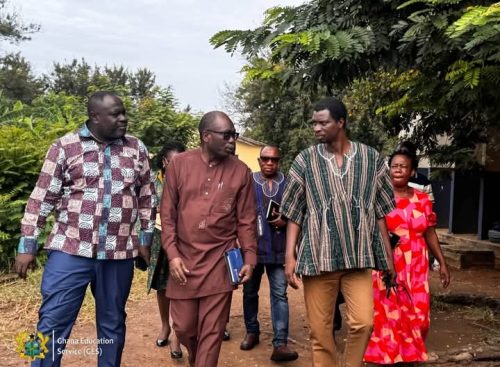
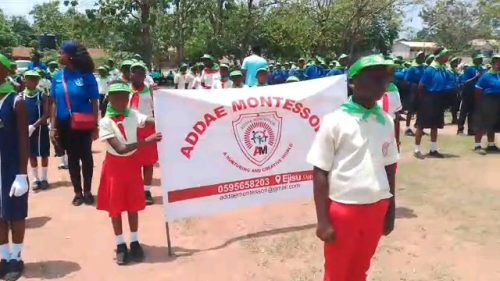
The durbar brought together proprietors, educators, learners, parents, and other stakeholders, serving not only as a celebration of private education but also as a platform for dialogue on transforming Ghana’s education system to meet 21st-century demands.
Concluding his remarks, Mr. Boahen commended the GNAPS Ejisu branch for its initiative and urged all participants to commit to creativity, inclusivity, and innovation in education, ensuring that every Ghanaian child—whether in public or private schools—has the opportunity to thrive.

“Together, we can build an educational system that is relevant, inclusive, and transformative,” he affirmed.
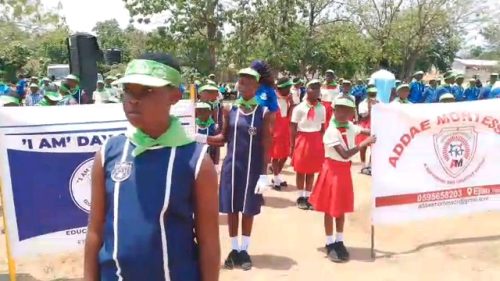
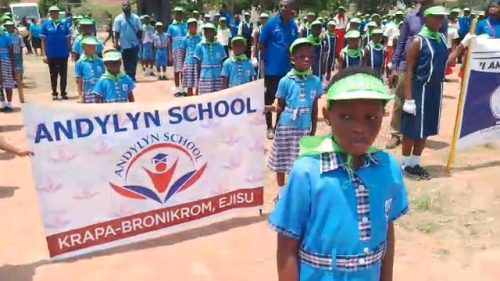
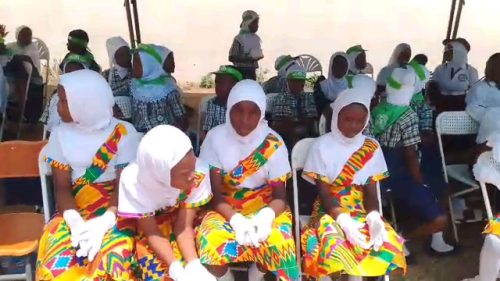
The event featured cultural displays, educational exhibitions, and discussions aimed at highlighting the achievements of private schools and promoting collaborative strategies for educational excellence across the Ejisu Municipality.

Speaking at the durbar, Nana Kusi Minkah, Director of Bridge Montessori School and Financial Secretary of GNAPS Ejisu, highlighted the significant contribution of private schools in expanding access to quality education nationwide. He noted that despite their critical role, many private schools face challenging conditions that require stronger government collaboration and support.
Nana Minkah called on the government to provide resources to strengthen private institutions, particularly in the area of teacher training and professional development. “Enhancing the capacity of teachers in private schools will significantly improve teaching quality and learning outcomes for pupils,” he said.
He also appealed for incentives to encourage the development of school infrastructure and the acquisition of school buses, emphasizing that such support would improve student safety, expand access, and enhance learning environments.
Further, Nana Minkah urged relevant state institutions to work closely with private schools to ensure compliance with regulatory obligations, including those of the Social Security and National Insurance Trust (SSNIT) and the Ghana Revenue Authority (GRA), which can be challenging for smaller private institutions. He expressed hope that improved engagement and supportive policies would allow private schools to remain sustainable while meeting their obligations.
“Support from government agencies is crucial to ensure that every Ghanaian child has access to quality education in private schools,” he concluded.