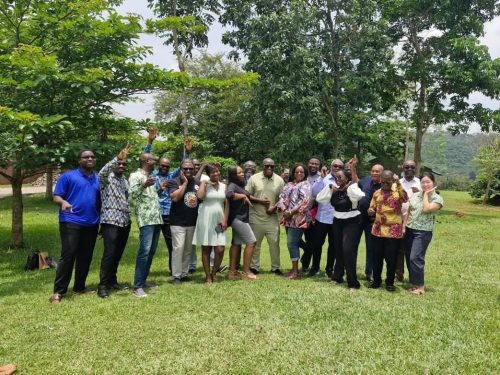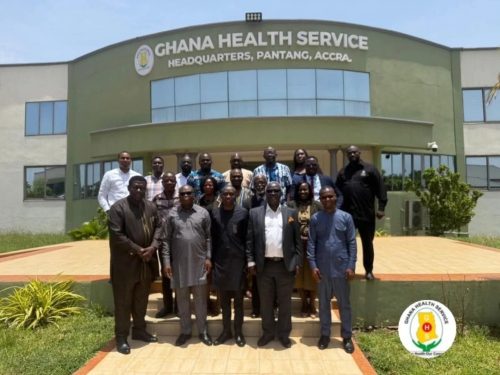
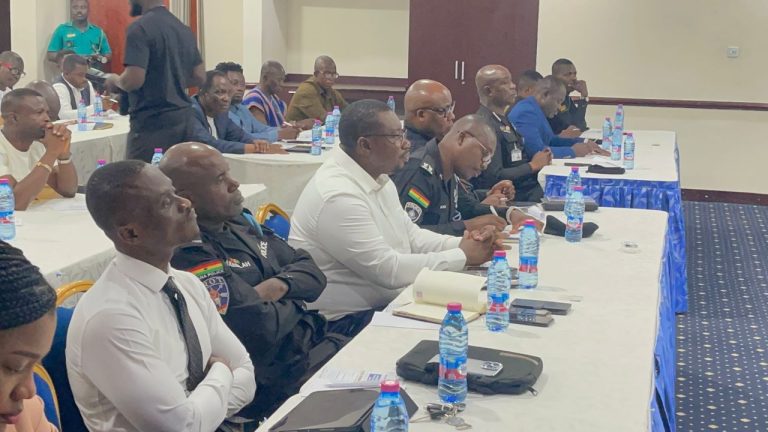
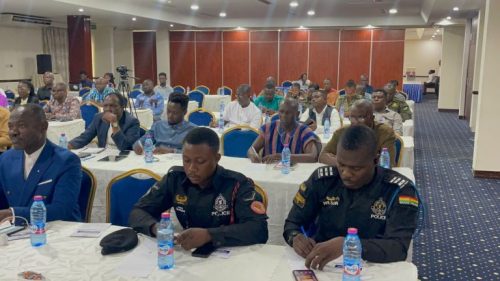
Key stakeholders in Ghana’s media and security sectors have intensified efforts to curb rising attacks on journalists following a high-level engagement convened to promote dialogue, mutual understanding, and stronger institutional collaboration.
The meeting brought together representatives from the Media Foundation for West Africa (MFWA), the Deutsche Gesellschaft für Internationale Zusammenarbeit (GIZ), the Ministry of Finance, and various state security agencies to deliberate on practical measures aimed at safeguarding press freedom and reducing hostilities between journalists and security personnel.
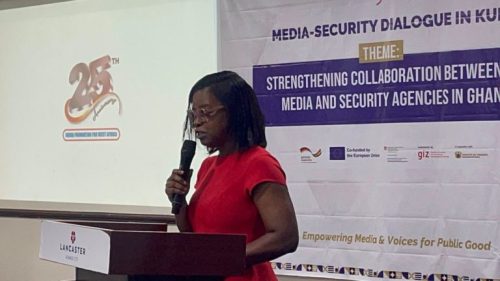
Speaking at the engagement, the Senior Director and Head of Operations of MFWA, Miss Dora Boamah Mawutor, revealed that investigations conducted by the Foundation indicate that a significant number of reported attacks on journalists involve security personnel. She noted that such incidents undermine media freedom, erode public trust, and pose a threat to Ghana’s democratic gains.
According to her, the dialogue forms part of broader efforts to foster collaboration, improve the enforcement of existing laws that protect journalists, and encourage professionalism and mutual respect between media practitioners and state security officers.
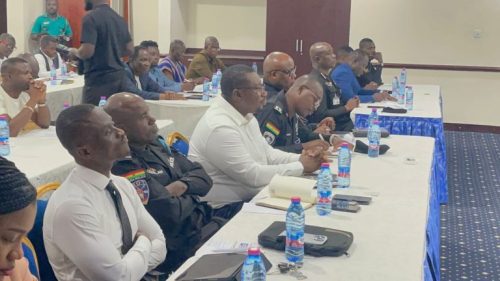
Miss Mawutor emphasised that strengthening cooperation between the two sectors is critical to protecting press freedom and ensuring a safe working environment for journalists. She stressed that when journalists are able to operate without fear or intimidation, the broader democratic architecture of the country is reinforced.
The engagement was held under the theme, “Strengthening Collaboration between the Media and State Security Agencies in Ghana,” and focused on identifying the root causes of recurring tensions while proposing practical strategies to prevent future confrontations.
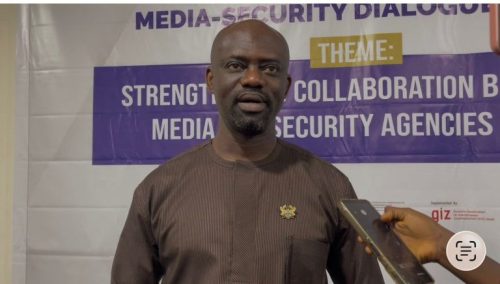
In an interview on the sidelines of the programme, the Ashanti South Deputy Regional Crime Officer, ASP Princeton Piasan Danquah, acknowledged the indispensable role journalists play in national development. He stated that journalists serve as a bridge between the people and authorities by highlighting public concerns, disseminating information, and offering constructive guidance to society.
He explained that the core mandate of security agencies is to maintain law and order, protect lives and property, and ensure public safety. However, he noted that misunderstandings and communication gaps between journalists and security officers sometimes escalate into avoidable confrontations.
According to ASP Danquah, the engagement has provided an important platform for both sides to better understand each other’s responsibilities, operational constraints, and professional obligations. He expressed optimism that the renewed dialogue would lead to improved cooperation, reduced tensions, and a significant decline in reported attacks on journalists.
Participants at the meeting reaffirmed their commitment to strengthening institutional relationships, promoting accountability, and upholding constitutional provisions that guarantee freedom of the press. They underscored the need for continuous engagement, capacity-building initiatives, and adherence to professional standards as key pillars in preventing future conflicts.
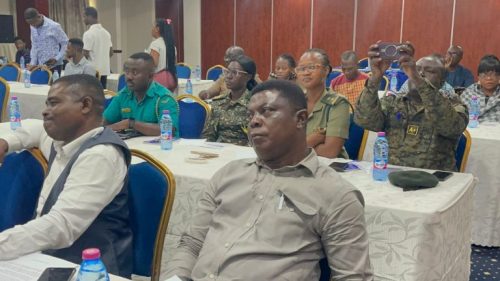
The collaboration between MFWA, GIZ, and state security agencies marks a significant step toward reinforcing media freedom in Ghana and ensuring that journalists can carry out their duties without intimidation, harassment, or obstruction. Stakeholders expressed confidence that sustained dialogue and coordinated action will help consolidate Ghana’s reputation as a beacon of democracy and press freedom in the region.