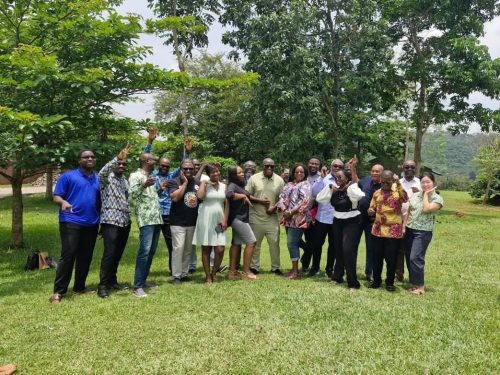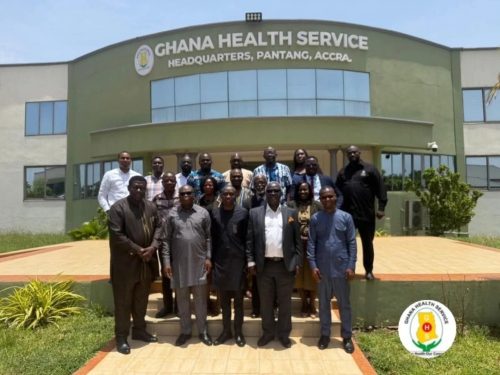
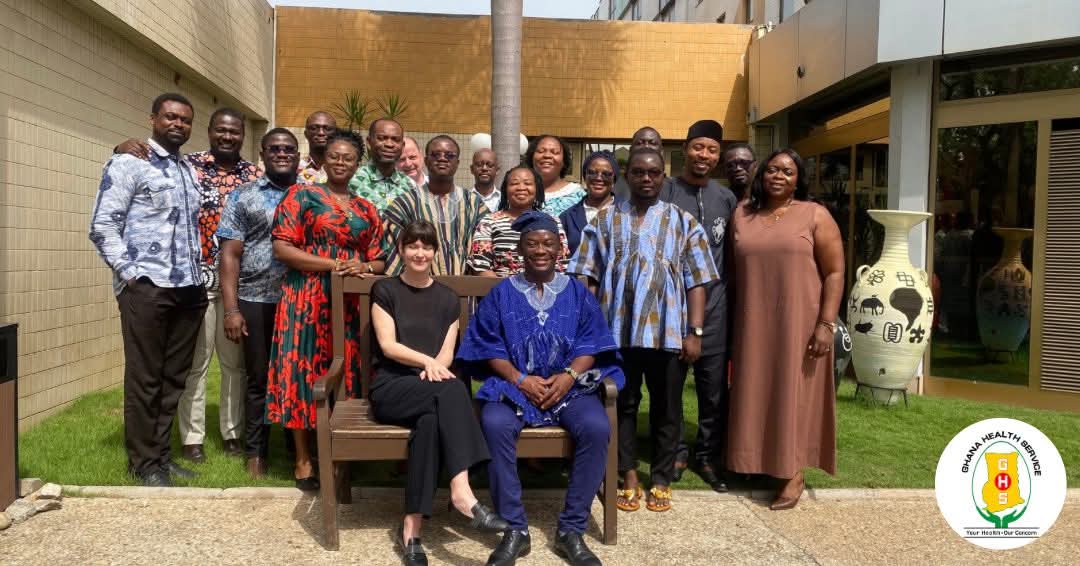
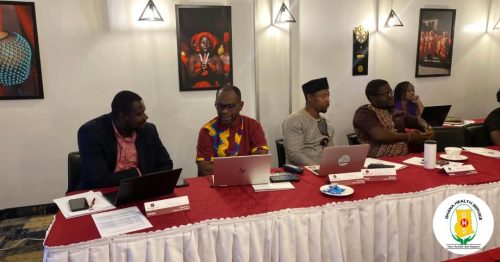
The Ghana Health Service (GHS), through its National Malaria Elimination Programme (NMEP), has strengthened its strategic partnership with the Gates Foundation following a high-level engagement aimed at accelerating Ghana’s drive toward malaria elimination.
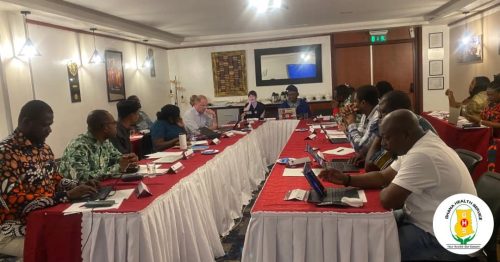
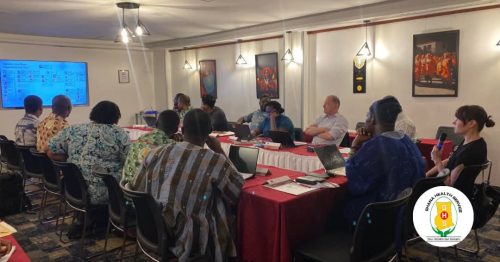
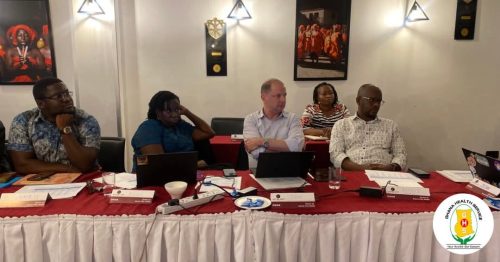
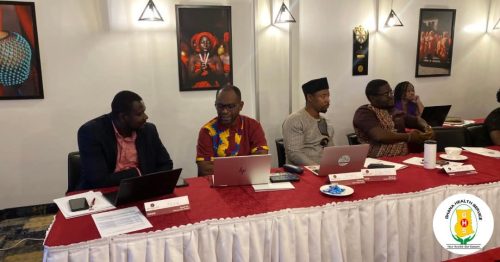
The landmark two-day roundtable brought together senior officials, technical experts, programme managers and development partners to review Ghana’s progress in malaria control and chart a clear pathway toward elimination. The engagement focused on enhancing surveillance systems, closing critical data gaps, strengthening accountability mechanisms, and aligning future investments to sustain and scale up impact.
Ghana has made steady gains over the years in reducing malaria-related morbidity and mortality through the widespread distribution of insecticide-treated nets, indoor residual spraying, seasonal malaria chemoprevention, improved diagnostics, and effective case management. These interventions, implemented through strong government leadership and sustained donor support, have contributed significantly to lowering the disease burden nationwide.
Despite these achievements, stakeholders acknowledged that malaria remains a major public health concern, particularly among children under five and pregnant women. Participants emphasized that transitioning from malaria control to elimination will require sharper targeting of high-burden areas, improved data quality, and real-time surveillance systems capable of detecting and responding swiftly to new cases.
Discussions at the roundtable highlighted the need to strengthen integrated disease surveillance platforms, leverage digital health innovations, and invest in operational research to inform policy and programme decisions. Closing persistent data gaps, participants noted, is essential to ensuring that interventions are efficiently deployed and resources optimally utilized.
The Gates Foundation reaffirmed its commitment to supporting Ghana’s malaria elimination agenda through strategic investments, technical expertise, and innovative tools designed to enhance programme effectiveness. The Foundation’s collaboration with GHS is expected to further bolster Ghana’s capacity to deploy evidence-based interventions, monitor progress, and ensure accountability across all levels of implementation.
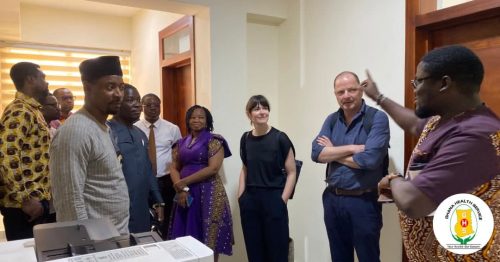
Officials underscored that sustained partnership and coordinated action among government institutions, research bodies, civil society organizations, and international partners will be critical to maintaining momentum and preventing resurgence. They stressed that elimination is achievable if investments are sustained, systems strengthened, and community engagement intensified.
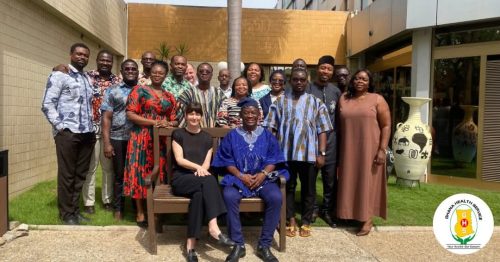
The engagement concluded with a shared resolve to deepen collaboration, scale up proven interventions, and accelerate progress toward a malaria-free Ghana. With renewed commitment and strengthened alignment between GHS and the Gates Foundation, Ghana is poised to consolidate its gains and move decisively toward eliminating malaria as a public health threat.