The Ashanti Sub-Transmission Division of the Electricity Company of Ghana (ECG) has gained national recognition for successfully transforming its public image and stakeholder engagement through a strategic communication initiative that has repositioned the division as a model of transparency, service delivery, and public trust.
For many years, the operations of ECG’s sub-transmission units remained largely unnoticed by the general public, despite playing a critical role in Ghana’s electricity supply chain. The division is responsible for managing bulk supply points, high-voltage networks, and power transformers that ensure electricity is transmitted reliably from generation sources to distribution networks serving homes, businesses, hospitals, and other vital institutions.
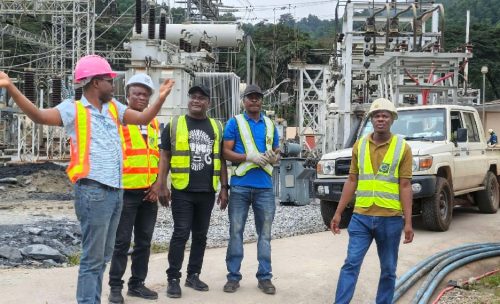
Although the division’s work has always been essential to national development and economic productivity, its technical nature meant that much of its contributions remained outside public awareness. Engineers and technical staff often communicated in highly specialized terms that were difficult for the general public and many stakeholders to fully understand.
Recognizing this communication gap, the Ashanti Sub-Transmission Division undertook a strategic review of its stakeholder engagement approach. The review revealed that while engineers focused on technical descriptions of infrastructure and system upgrades, customers and stakeholders were more concerned about the practical outcomes of those improvements—such as stable electricity supply, reduced outages, and improved reliability.
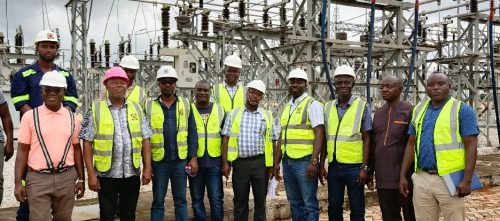
In response, the division introduced a comprehensive three-year strategic communication framework aimed at enhancing visibility, strengthening stakeholder relationships, and building public trust in its operations. The initiative sought to reposition sub-transmission activities not merely as technical engineering work but as a crucial component of ECG’s service delivery to the Ghanaian public.
Central to the strategy was the adoption of human-centred storytelling that explained infrastructure investments in terms of their impact on everyday life. Instead of focusing solely on installations, network expansions, and transformer upgrades, communication efforts highlighted how such improvements translate into reliable electricity for households, uninterrupted power for businesses, and stable supply for critical services such as healthcare and education.

According to Collins Manu, Communications Officer for the Ashanti Sub-Transmission Division, the objective of the initiative was straightforward yet strategic.
“The goal was simple but strategic—connect infrastructure improvements directly to lived experience,” he explained, noting that the approach allowed stakeholders to better understand the direct benefits of the division’s technical work.
By the second year of implementation, the results of the communication strategy had become evident. Positive media coverage of the Ashanti Sub-Transmission Division increased significantly, with reports highlighting the division’s role in strengthening power reliability across the region. Notably, the division recorded a substantial rise in favourable media mentions, while negative media reports relating to its operations were absent during the same period.
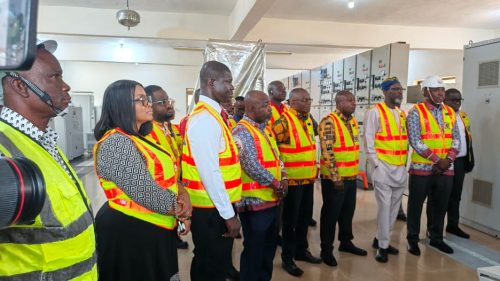
The initiative also attracted recognition at the corporate level within ECG. William Boateng (APR), Director of Communications at the Electricity Company of Ghana, described the transformation as a major milestone in how technical operations are communicated within the organisation.
Speaking during a communications retreat, he noted that the initiative had successfully repositioned a highly technical operational unit into a story of service delivery and public value.
“What was achieved was the repositioning of a highly technical function into a story of service delivery and public value,” he said. “This approach enhanced ECG’s visibility and helped stakeholders better understand how infrastructure investments translate into reliability and customer confidence.”
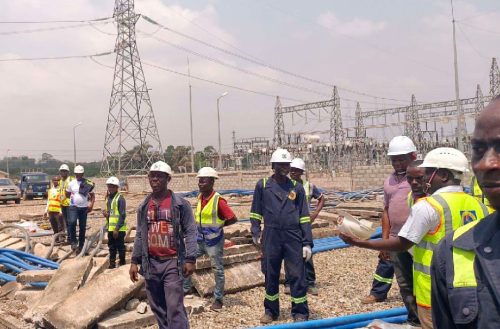
Regulatory authorities have also acknowledged the positive impact of the initiative. Edward Kingston Boduah, Ashanti Regional Manager of the Public Utilities Regulatory Commission (PURC), indicated that the improved communication approach has helped stakeholders gain a clearer understanding of investments being made within the electricity network.
According to him, the communication strategy has strengthened public confidence by highlighting the connection between infrastructure development and service reliability.
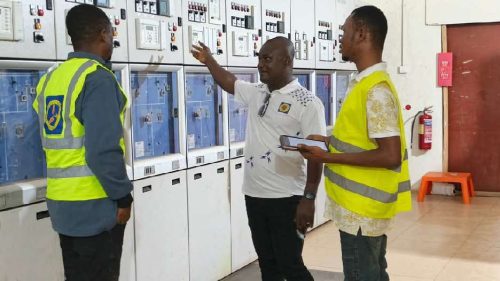
“The communication from Ashanti Sub-Transmission helped stakeholders appreciate the link between infrastructure upgrades and service reliability,” he stated. “It has strengthened confidence and engagement.”
Beyond its external impact, the communication strategy has also contributed to a shift in organisational culture within the division. Communication is increasingly viewed not as a secondary function but as an integral component of service delivery and stakeholder relations.
Ing. Peter Kofi Fletcher, General Manager of the Ashanti Sub-Transmission Division, observed that translating complex technical work into clear, relatable outcomes has strengthened public trust while also raising the region’s profile within ECG’s operational structure.
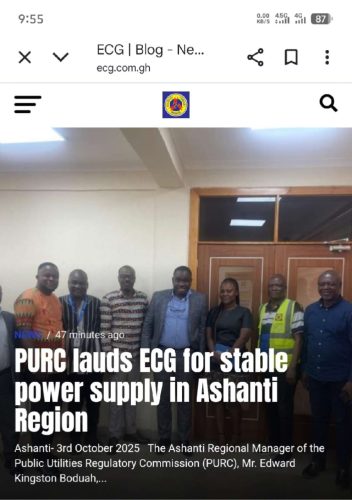
“Communication became part of how we deliver service,” he remarked.
Today, the Ashanti Sub-Transmission Division is widely regarded within the Electricity Company of Ghana as one of the organisation’s most visible operational units and a reference point for effective stakeholder engagement in Ghana’s utility sector.
At a time when public service institutions face increasing expectations for transparency, accountability, and responsiveness, the Ashanti Sub-Transmission experience demonstrates how strategic communication can transform technical infrastructure operations into compelling narratives of public value, reliability, and national development.