

Kwaso, a community in the Ejisu Municipality of the Ashanti Region, has received a significant boost in educational infrastructure following the commissioning and handover of a fully renovated and equipped Information and Communication Technology (ICT) centre at Kwaso Presbyterian Junior High School by the Help Start Education Foundation.
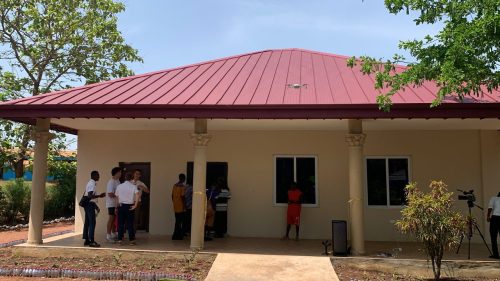
The project, valued at approximately $35,000, forms part of the foundation’s broader commitment to promoting quality education in underserved communities. In addition to the construction and furnishing of the ICT facility, the foundation donated computers and exercise books to enhance teaching and learning in the school.
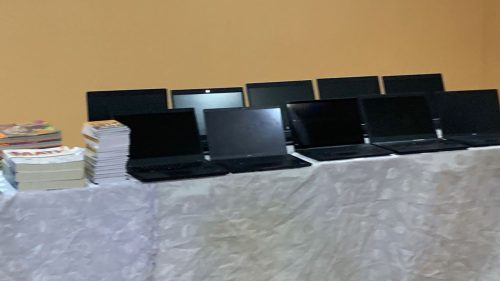
The newly established ICT centre is fitted with modern amenities, including ceiling fans and air conditioning systems, creating a comfortable and conducive environment for both students and teachers. The facility is expected to significantly transform the delivery of ICT education by providing students with hands-on experience and practical digital skills essential for the 21st century.

Speaking to the media during the commissioning and handover ceremony, the Vice President for International Operations of the foundation, Mr. Stephen Appiani Junior, reaffirmed the organisation’s dedication to bridging the digital divide, particularly in rural and peri-urban communities. He noted that the initiative was driven by the need to improve ICT education and empower students with relevant technological competencies to thrive in an increasingly digital world.

Mr. Appiani Junior further appealed to residents of Kwaso and other stakeholders to support efforts aimed at improving education in the community, stressing that collective responsibility is key to sustaining such interventions.

The Headmaster of Kwaso Presbyterian Junior High School, Rev. Yaw Owusu, expressed profound gratitude to the Help Start Education Foundation, describing the project as timely and transformative. He revealed that the school previously lacked the necessary infrastructure for practical ICT lessons, compelling teachers to rely solely on theoretical instruction.

According to him, the introduction of the ICT centre will greatly enhance teaching and learning outcomes, while also equipping students with the skills needed for higher education and future careers in technology-related fields.

Also addressing the gathering, the Chief of Kwaso, Nana Osei Fosu Adutwum, commended the foundation for its generosity and commitment to educational development in the area. He described the initiative as a worthwhile investment in the future of the youth and urged school authorities, students, and the wider community to ensure proper maintenance and effective utilisation of the facility.

He further encouraged students to take their studies seriously and make the most of the opportunity provided to them in order to achieve their future aspirations.

The commissioning of the ICT centre marks a major milestone in advancing digital literacy and improving educational standards in Kwaso. It also highlights the crucial role of partnerships between non-governmental organisations and local communities in driving sustainable development and expanding access to quality education.