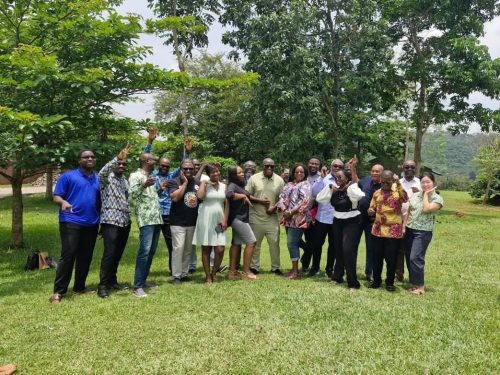
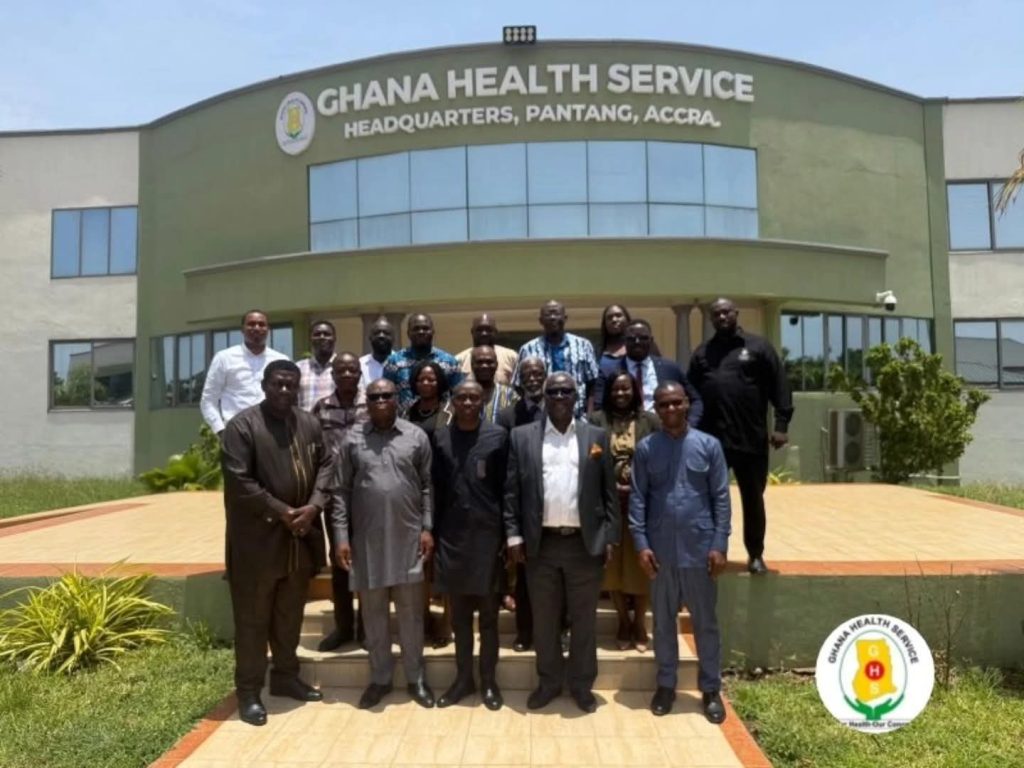
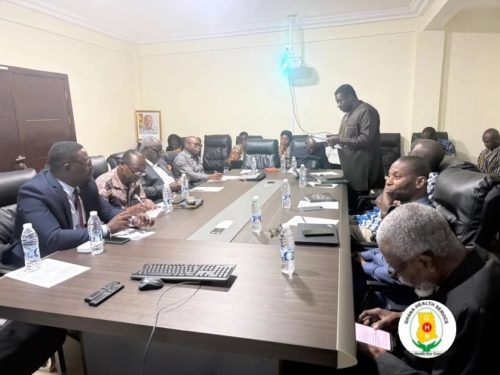
Ghana has intensified its efforts to eliminate Lymphatic Filariasis (LF) with the launch of a National Technical Working Group under the Neglected Tropical Diseases (NTDs) Programme of the Ghana Health Service (GHS).
The newly established Technical Working Group is expected to provide strategic direction, technical guidance, and coordinated oversight to reinforce the country’s ongoing progress toward eliminating the disease as a public health concern. The initiative forms part of Ghana’s broader commitment to tackling neglected tropical diseases through strengthened collaboration and evidence-based interventions.
Lymphatic Filariasis, commonly known as elephantiasis, is a debilitating mosquito-borne disease that can cause severe swelling of body parts, permanent disability, and social stigma. The disease remains a major public health challenge in parts of sub-Saharan Africa, including Ghana, despite years of sustained interventions.
Ghana has been implementing elimination programmes against LF since the early 2000s, largely through mass drug administration (MDA), surveillance, and community-based health education. These interventions have significantly reduced the prevalence of the disease across many endemic districts. However, health experts note that transmission still persists in some areas, necessitating renewed and targeted strategies.
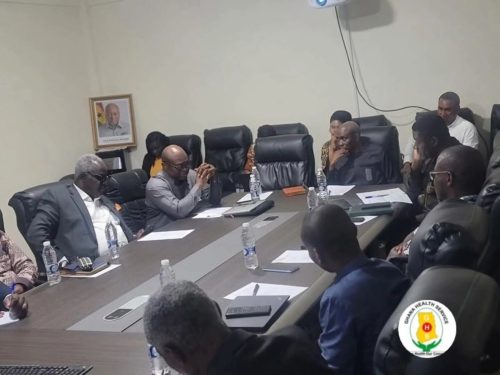
The formation of the Technical Working Group is therefore seen as a critical step in addressing the remaining gaps in the elimination campaign. The group is expected to bring together key stakeholders, including public health experts, researchers, policymakers, and development partners, to enhance coordination, improve data-driven decision-making, and strengthen monitoring and evaluation systems.
Health authorities believe that a more coordinated technical approach will accelerate progress toward achieving both national and global targets, including the World Health Organization’s roadmap for the elimination of neglected tropical diseases by 2030.
The Ghana Health Service has emphasized that community participation remains central to the success of the programme. Citizens are encouraged to actively participate in mass drug administration exercises and adhere to public health education aimed at preventing transmission.
The launch of the Technical Working Group underscores Ghana’s renewed commitment to protecting vulnerable populations and ultimately eliminating Lymphatic Filariasis, thereby improving public health outcomes and contributing to national development.