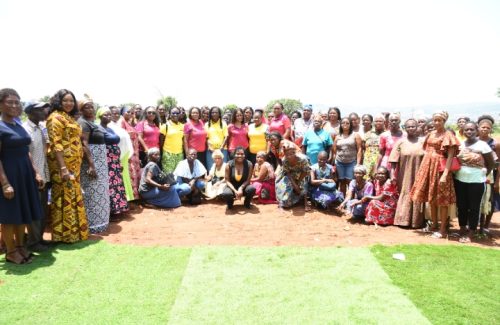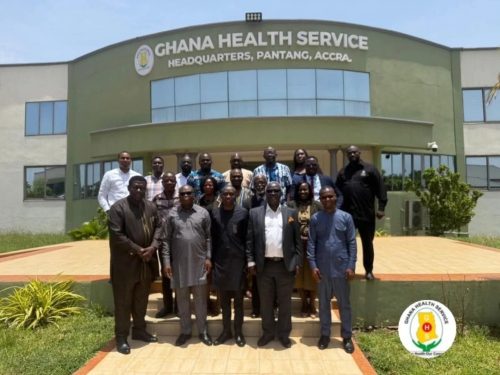
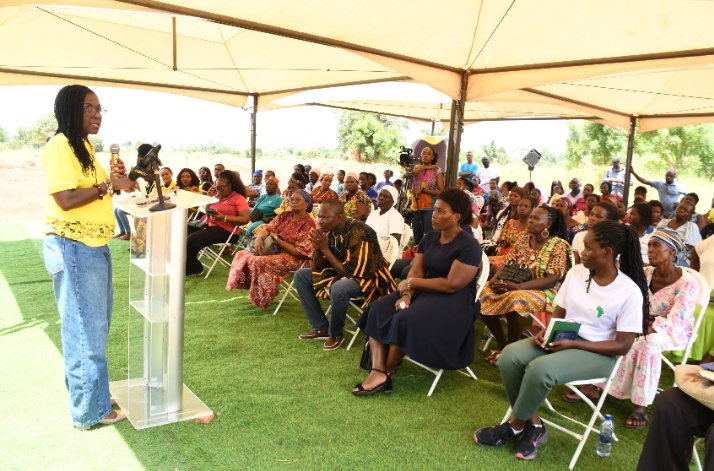
The MTN Ghana Foundation has unveiled a model farm project in the La Nkwantanang Municipality as part of a broader GHS1.2 million initiative aimed at empowering women farmers and unemployed youth through modern agricultural practices.
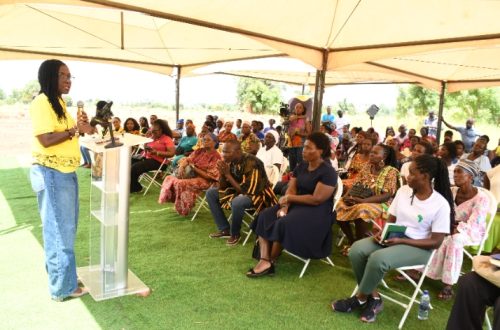
The project, launched at Pantang Hospital, is designed to enhance women’s participation in agriculture by equipping them with practical skills, innovative techniques, and access to improved farming methods. It forms part of activities marking the 2026 International Women’s Day under the theme “Give to Gain.”
Under the initiative, 160 smallholder women farmers and 140 unemployed youth are expected to benefit from structured training programmes focused on improving agricultural productivity, efficiency, and sustainability. An initial cohort of 60 women farmers will undergo hands-on training at the model farm, which will serve as a demonstration and learning centre for modern farming technologies, including climate-smart agriculture, irrigation systems, and improved crop management practices.
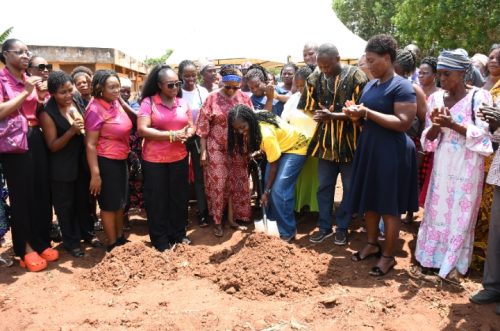
The project is being implemented in partnership with the La Nkwantanang Municipal Agriculture Department and Defarmercist, who are providing technical expertise in agronomy, extension services, and capacity building to ensure effective delivery and long-term impact.

Speaking at the unveiling ceremony, Adwoa Afriyie Wiafe, Chief Corporate Services and Sustainability Officer of MTN Ghana, described the initiative as a significant step towards strengthening women-led agriculture and promoting inclusive economic development.
She emphasized that MTN Ghana, through its Foundation, remains committed to investing in initiatives that empower communities and create sustainable opportunities, particularly for women and young people. According to her, the model farm represents a practical intervention that combines innovation with skills training to transform local farming systems.
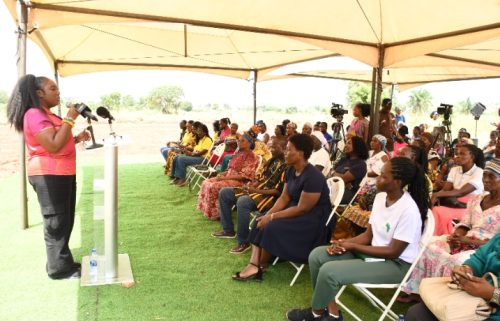
“This project reflects our commitment to empowering women economically while also creating meaningful opportunities for the youth. By investing in modern agricultural practices, we are not only improving productivity but also building resilient communities and contributing to national development,” she stated.

She further noted that the initiative fulfils MTN’s pledge to establish a hands-on training platform for women farmers in La Nkwantanang, adding that beneficiaries are expected to replicate the knowledge gained within their communities to expand the reach and impact of the project.
“The first cohort of 30 unemployed youth is currently receiving training at the Vegetable Hub of Excellence at the University of Ghana, Legon Farms, where they are being equipped with practical skills in modern vegetable production and agribusiness,” she added.
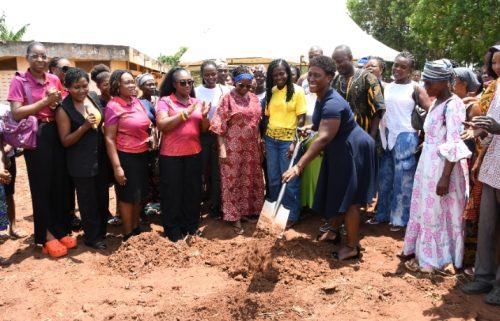
Lydia Aku Fiatuho, Head of the Agriculture Department at the La Nkwantanang Municipal Assembly, commended the MTN Ghana Foundation for the initiative, describing it as timely and aligned with efforts to strengthen agricultural development at the local level.
She highlighted the crucial role women play in agriculture, noting that they constitute a significant portion of the workforce and are central to ensuring food security. She urged beneficiaries to take ownership of the project and apply the knowledge gained to improve their productivity and livelihoods.

The model farm project also aligns with MTN’s strategic vision of leveraging digital innovation to drive Africa’s progress. As part of this vision, the Foundation is piloting smart farming solutions, including the use of technology to enhance farm management, improve efficiency, and provide access to market information.
In addition, the Foundation has established a Vegetable Hub of Excellence at the University of Ghana in collaboration with the University’s School of Agriculture and Defarmercist. The facility serves as a centre for research, innovation, and practical training, contributing to the modernization of Ghana’s agricultural sector.

Since its establishment in 2007, the MTN Ghana Foundation has implemented over 178 major projects across the country in the areas of health, education, and economic empowerment. The unveiling of the model farm project further reinforces its commitment to improving livelihoods and supporting sustainable development through impactful community interventions.