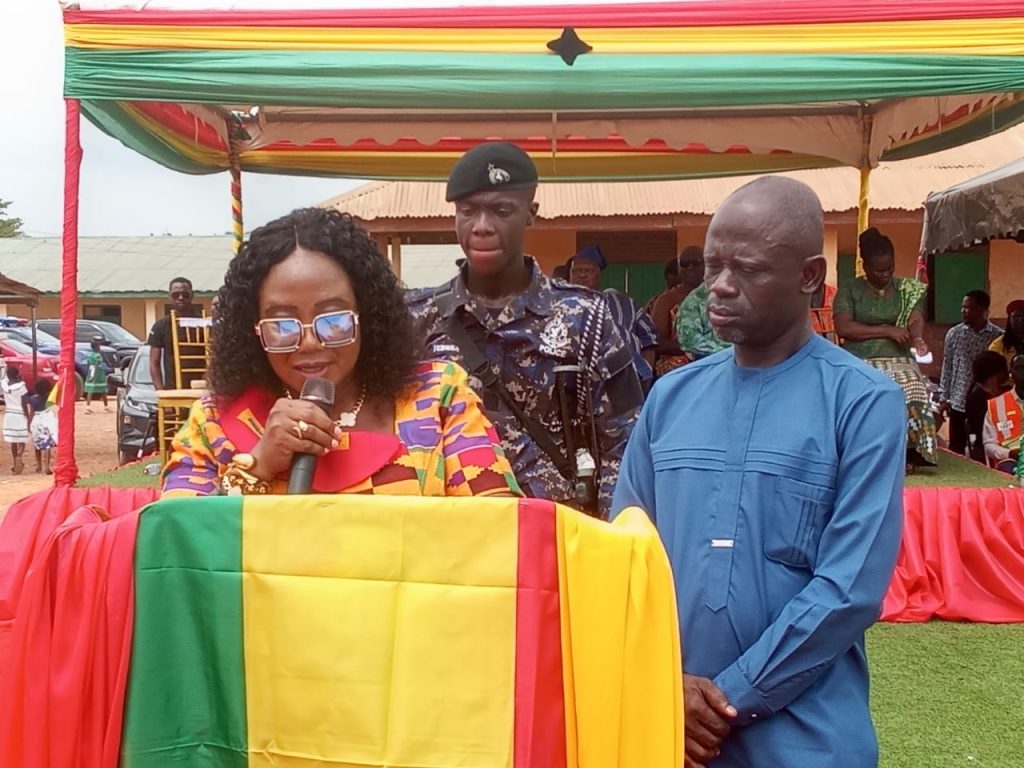
The District Chief Executive for the Atwima Kwanwoma District, Hon. Grace Agyemang Asamoah, has highlighted a number of key development projects undertaken by the Assembly as Ghana marked its 69th Independence Day celebration.
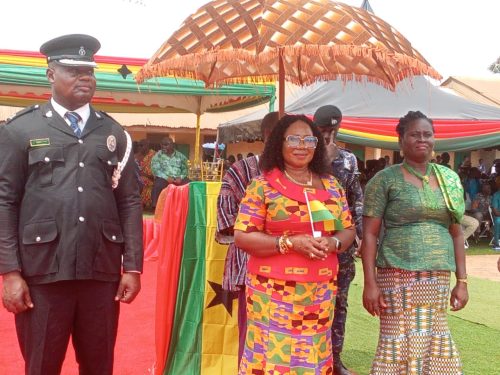
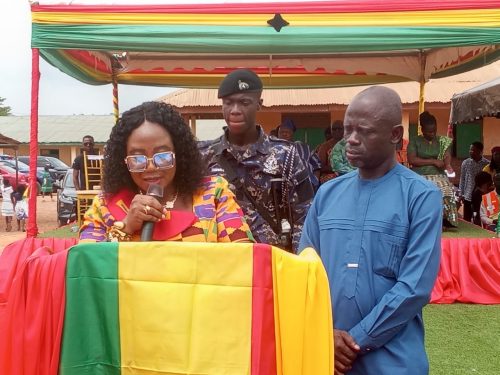
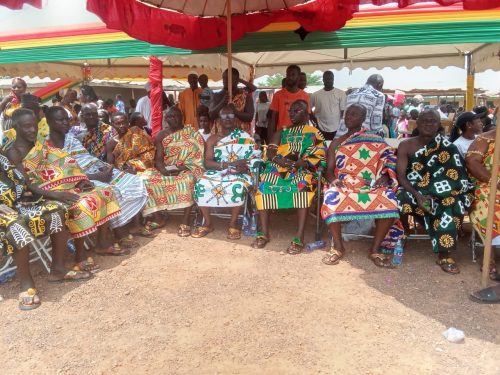
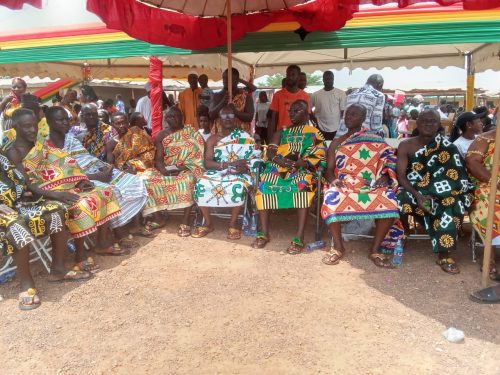
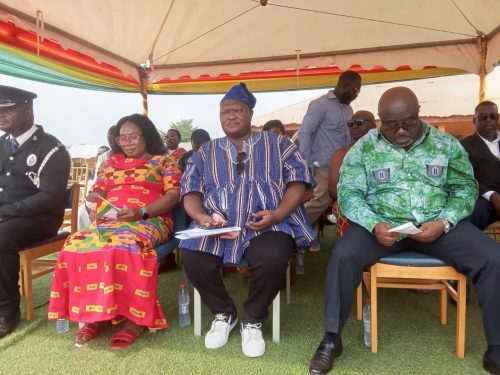
Addressing a gathering of traditional leaders, government officials, students and residents during the anniversary celebration held at the Ampabame No. 1 School Park, the DCE said the Assembly remains committed to translating government’s national development vision into tangible projects that improve the living conditions of people in the district.
Speaking under the national theme “Building Prosperity, Restoring Hope,” Hon. Agyemang Asamoah stressed that independence should not only be remembered historically but must also reflect in the daily lives of citizens through improved livelihoods, quality education, better healthcare and strong local economies.
She explained that prosperity means creating opportunities for citizens to work, produce and trade to improve their living standards, while hope means restoring the confidence of the people in governance and leadership.
The DCE noted that under the leadership of President John Dramani Mahama, government continues to pursue pragmatic and people-centred governance aimed at strengthening infrastructure, creating jobs and ensuring inclusive growth across the country.
She emphasized that the government’s development approach focuses on improving infrastructure, strengthening economic recovery and ensuring that development reaches the grassroots.
According to her, the government strongly believes that no region, district or community should be left behind in the national development agenda.
Hon. Agyemang Asamoah assured residents of the district that the development of Atwima Kwanwoma remains a priority, noting that when development reaches the districts, the entire nation progresses.
Touching on infrastructure development, she disclosed that the Assembly has undertaken the reshaping of several key roads in the district to improve accessibility and facilitate transportation. These include the Nwinsa–Nkwanta–Amoato stretch, roads at Kotwi, Biragokrom and Asaago, as well as the Bekwaime–Kyekyewere road.
She said these interventions have significantly improved mobility in the affected communities, enhanced trade and improved access to essential services such as education and healthcare.
The DCE further revealed that the Ampabame No. 1 Bridge has also been renovated and maintained to ensure the safety of commuters and the smooth movement of goods and services.
In addition, she announced that the Assembly, with support from government, has constructed sixteen mechanized boreholes across several communities to improve access to potable water.
On education, Hon. Agyemang Asamoah described the sector as the most powerful tool for transforming the future of the country.
She revealed that the compound of the Afua Kobi Ampem Girls’ Senior High School has been reshaped to improve accessibility and enhance the learning environment for students.
She added that construction of a three-unit classroom block at New Ejuampong is currently ongoing, while work on a six-unit classroom block at Afasiebon Basic School has also been awarded and is progressing steadily.
As part of efforts to support female students, the DCE also donated sanitary pads to students of Afua Kobi Ampem Girls’ Senior High School to promote menstrual hygiene management and ensure dignity for young girls.
In the health sector, she disclosed that the Assembly has commenced the construction of three Community-based Health Planning and Services (CHPS) compounds at Asaago, Nweneso No. 1 and Nweneso No. 3 to improve healthcare access for residents.
She also urged residents to support the District Health Directorate in the fight against non-communicable diseases such as diabetes, hypertension, cervical cancer and breast cancer through regular health screening and healthy lifestyles.
Hon. Agyemang Asamoah further highlighted agriculture as the backbone of the district’s economy.
She revealed that under the government’s Feed Ghana Model, the Assembly implemented the Nkokonkitinkiti Project, through which 5,000 chickens were distributed to 118 households to support poultry farming, particularly among women and the youth.
Additionally, she said 9,000 oil palm seedlings have been distributed to farmers to increase agricultural productivity and improve livelihoods.
On sanitation, the DCE indicated that seven major refuse dump sites across the district have been evacuated while skip containers have been supplied to communities.
She added that sanitary equipment has been distributed to all 33 electoral areas, with 60 dustbins already supplied to basic schools and 70 more expected to be distributed to communities.

She stressed that maintaining a clean environment is essential for promoting good health and productivity in the district.
The DCE also highlighted the importance of the Ashanti Region’s cultural celebration, Ashantifest, describing it as an important platform for promoting tourism, culture and economic activities in the region.
She explained that the festival provides an opportunity for districts such as Atwima Kwanwoma to showcase their cultural heritage, attract visitors and promote local businesses.
Hon. Agyemang Asamoah also spoke about the government’s 24-hour economy initiative, describing it as a transformative policy that will expand productivity, empower businesses and create job opportunities for the youth.
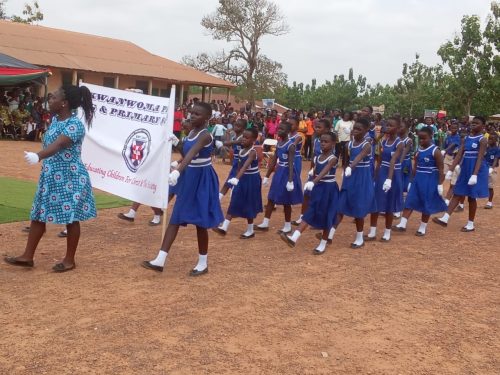
Addressing school children who participated in the march past, she encouraged them to remain disciplined, work hard and believe in their potential, stressing that they represent the future of the district and the nation.
She concluded by urging citizens to recommit themselves to the values of unity, patriotism and hard work, emphasizing that collaboration between citizens, traditional leaders, government institutions and the private sector is essential for building prosperity and restoring hope in the country.
She expressed optimism that through collective efforts, Ghana will continue to progress and achieve sustainable development.