The Ashanti Regional Minister, Dr. Frank Amoakohene, has reaffirmed his unwavering commitment to promoting domestic tourism and strengthening strategic partnerships aimed at advancing development in the Ashanti Region.

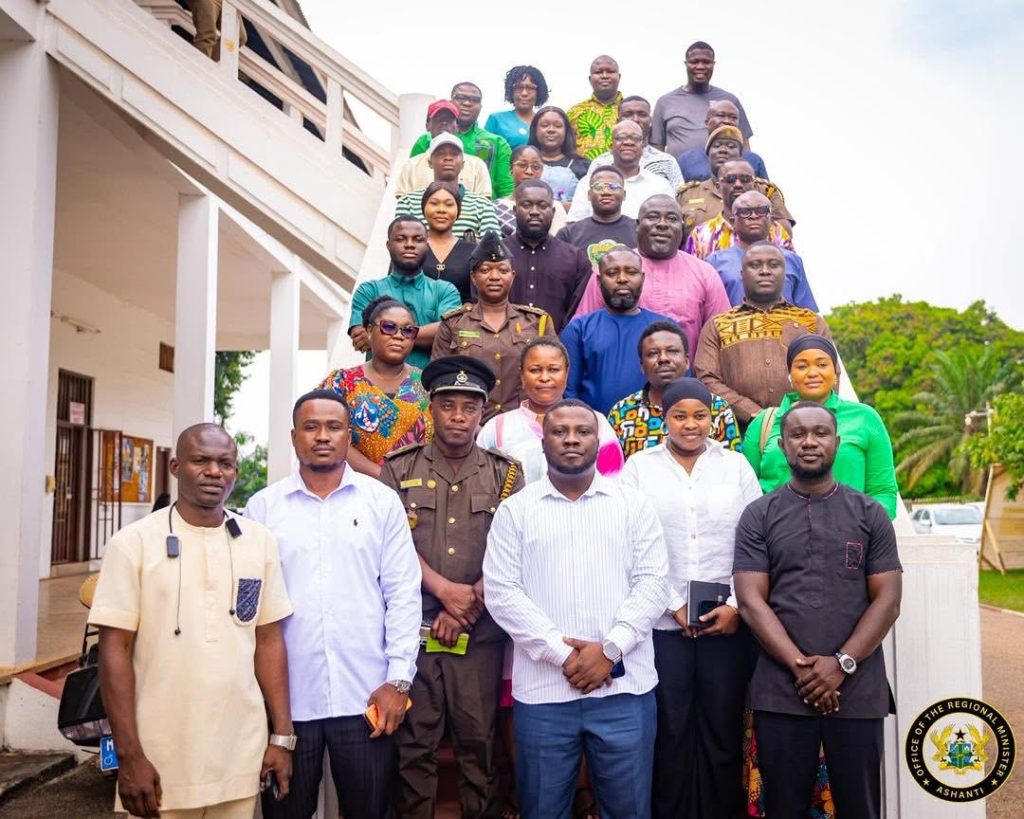
During a productive meeting held at his office with the Executives of the Tourism Society, discussions centered on enhancing domestic tourism and exploring collaborative initiatives ahead of the upcoming AshantiFest celebration. The engagement formed part of broader efforts to position the Ashanti Region as a leading cultural and tourism destination in Ghana.

Dr. Amoakohene underscored the critical role of local tourism in driving economic growth, creating employment opportunities, and showcasing the region’s rich cultural heritage. He noted that strategic collaboration between government and key stakeholders remains essential in unlocking the full economic potential of the region.

“Strengthening local tourism is central to highlighting the unique heritage and vast opportunities within the Ashanti Region,” the Minister stated, adding that AshantiFest presents a significant platform to celebrate culture, attract visitors, and stimulate local enterprise.

The meeting was further enriched by outstanding poetry recitals delivered by students from Yaa Asantewaa Girls’ Senior High School. The students captivated the audience with performances marked by creativity, confidence, and depth of expression, earning commendation from the Minister and attendees alike.

Dr. Amoakohene expressed admiration for the exceptional talent displayed by the students, emphasizing the importance of nurturing young people and providing them with platforms to excel.

“Our young people continue to demonstrate remarkable potential. As a region, we remain committed to creating opportunities that nurture, celebrate, and empower their talents,” he affirmed.

The engagement reflects the Regional Coordinating Council’s sustained efforts to foster partnerships, promote cultural heritage, and empower the next generation while advancing the socio-economic transformation of the Ashanti Region.