
Private school proprietors in the Kwabre East Municipal of the Ashanti Region have renewed calls on the Government of Ghana to extend equitable support to private educational institutions, particularly in the distribution of teaching and learning materials, tax relief measures and a review of what they describe as discriminatory BECE registration fees.

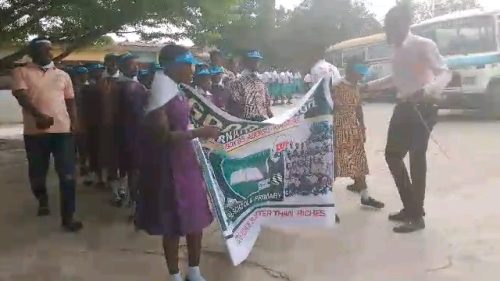
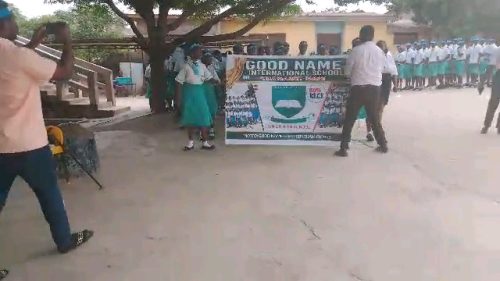
The appeal was led by the Proprietor of Daarko Eden International School, Mr. Kofi Darko, during activities marking the celebration of GNAPS Week in the municipality. Addressing stakeholders, he stressed that private schools have made significant contributions to Ghana’s education sector by absorbing a substantial percentage of the student population and easing pressure on public schools.

Mr. Darko noted that private institutions have invested heavily in infrastructure development, classroom expansion, teaching and learning resources, and effective monitoring systems to ensure quality education delivery. According to him, these efforts have helped decongest public schools and complement government’s work. However, he expressed concern that private schools are often overlooked when state support packages and educational materials are distributed, as well as in the posting of teachers exclusively to public schools.

“Private schools have contributed immensely to education in Ghana in terms of population and infrastructure. We have helped reduce pressure on government facilities, yet we are often neglected when support is being shared,” he stated.
He urged government to recognize that private school proprietors are equally Ghanaian citizens contributing to national development and should not be subjected to what he described as discriminatory treatment.

“Government should consider that we are all Ghanaians, therefore such discrimination must stop. Private school proprietors are also Ghanaians and deserve our fair share of the national cake,” Mr. Darko stressed.
On his part, Mr. Kofi Antoh, Chairman for Private Schools in the municipality, also raised concerns about multiple tax obligations and persistent regulatory pressure from state institutions. He cited frequent engagements with the Municipal Assembly, the Ghana Revenue Authority, the Ghana National Fire Service and the National Disaster Management Organisation as creating what he described as an unfavourable operating environment for private school owners.

He further highlighted concerns regarding disparities in the payment of Basic Education Certificate Examination registration fees. According to him, students in public schools do not directly pay BECE registration fees, whereas private school candidates are required to pay significant amounts to register for the examination conducted by the West African Examinations Council. He described the situation as unfair and called for reforms to ensure equal treatment for all candidates regardless of the type of school they attend.

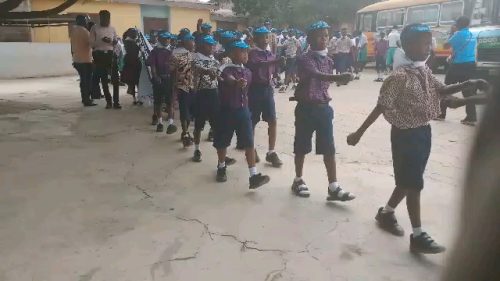
Some students from private schools within the municipality also echoed the appeal, urging government to review and reduce what they described as high BECE registration fees. They appealed for fairness in the educational system, arguing that the current arrangement places an additional financial burden on parents and guardians.
The proprietors expressed hope that their concerns, raised during the GNAPS Week celebration, would receive serious consideration from policymakers to ensure a more inclusive and balanced approach to educational development in Ghana.