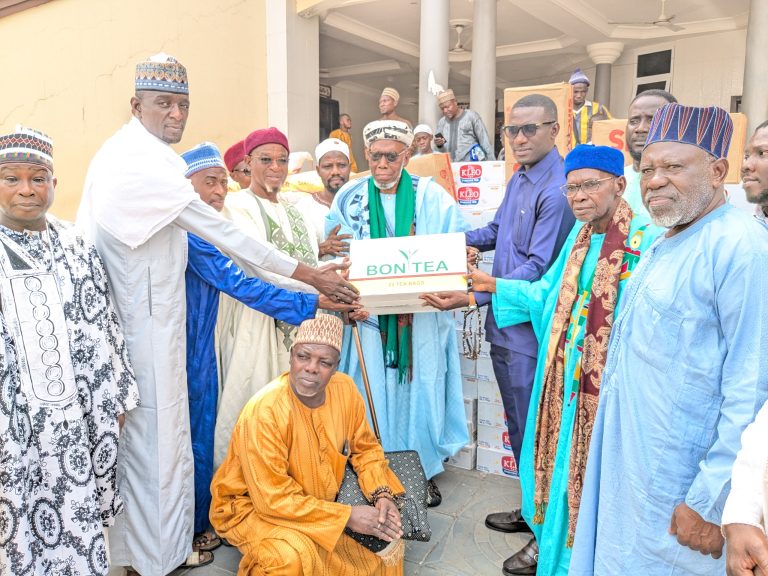
In a strong demonstration of corporate responsibility and social commitment, Logeist Group Company Limited, the government-mandated firm leading land reclamation efforts in the Amansie Central District, has extended meaningful support to the Muslim community in Kumasi during the sacred month of Ramadan.
The gesture comes at a critical period in Ghana’s environmental recovery journey. Large swathes of land across the Ashanti Region, particularly within mining enclaves, have suffered extensive degradation as a result of illegal small-scale mining activities, commonly referred to as galamsey. Rivers have been polluted, fertile farmlands rendered barren, and livelihoods disrupted. In response to this growing crisis, the state has intensified efforts to restore damaged ecosystems and reclaim affected lands, with Logeist Group playing a central operational role in Amansie Central.
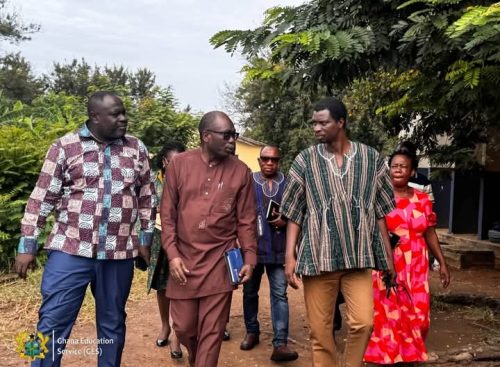
Entrusted with rehabilitating degraded mining sites, the company’s mandate involves reshaping mined-out landscapes, restoring soil fertility, and preparing lands for productive use. The broader objective is to revive agricultural viability, protect water bodies, and ensure long-term environmental sustainability for communities whose economic survival depends heavily on natural resources.
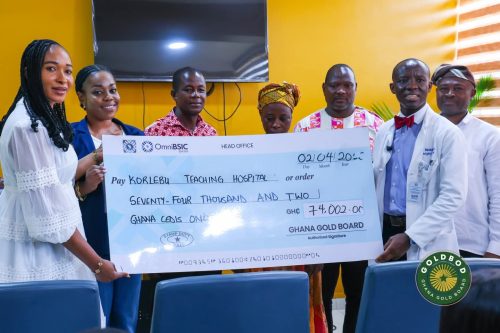
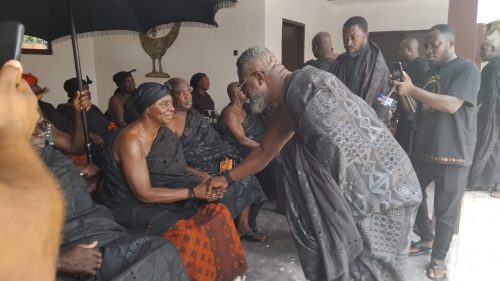
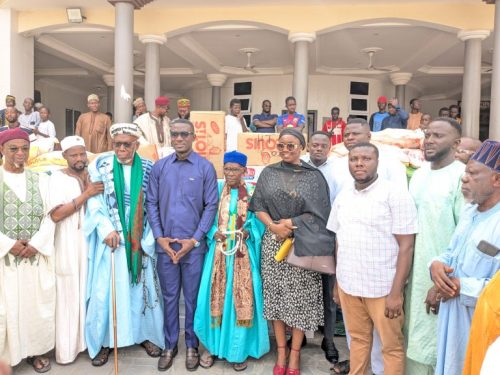
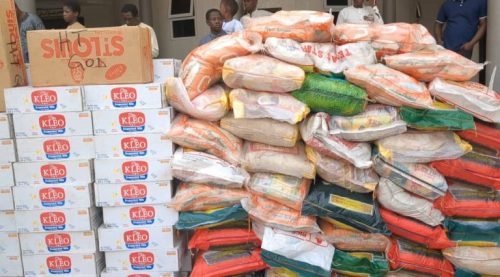
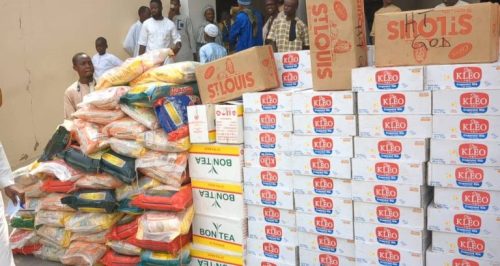
While advancing its environmental restoration agenda, Logeist Group has also demonstrated that sustainable development extends beyond physical reclamation. In recognition of the spiritual significance of Ramadan—a month marked by fasting, prayer, reflection, and charity—the company donated assorted food items, including rice, cooking oil, sugar, and other essential commodities, to the Kumasi Central Mosque to support Muslim faithful observing the holy month.
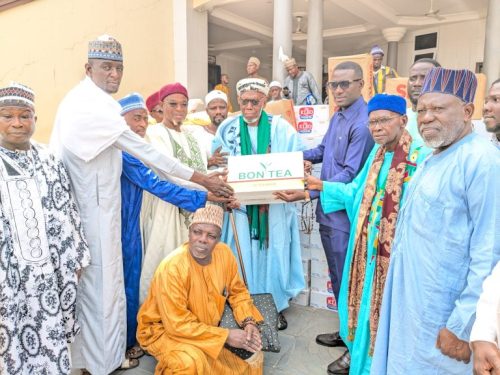
The donation reflects a thoughtful appreciation of the social and spiritual dimensions of community life. Ramadan is a period that emphasizes compassion, generosity, and collective responsibility. By standing in solidarity with the Muslim community during this sacred time, Logeist Group reinforced the principle that institutions entrusted with national responsibilities must also remain sensitive to the cultural and religious fabric of the society they serve.
Leadership of the Kumasi Central Mosque received the items with gratitude, acknowledging the company’s support as both timely and impactful. They noted that such gestures not only ease the burden on families observing the fast but also strengthen communal bonds and mutual understanding between corporate institutions and faith-based communities.
Observers within corporate governance and environmental management circles have described the initiative as a model of responsible enterprise. They argue that companies operating under public mandates must adopt a holistic approach to development—one that integrates environmental stewardship with social investment and humanitarian outreach.
The environmental devastation caused by illegal mining in Amansie Central has left deep scars on both the land and the people. In this context, Logeist Group’s dual commitment to ecological restoration and community engagement presents a compelling example of integrated development in practice.
As Ghana continues to intensify its crackdown on illegal mining and accelerate rehabilitation programmes nationwide, partnerships between the state, corporate actors, and local communities will remain essential. Through its ongoing reclamation work and its outreach during Ramadan, Logeist Group Company Limited has underscored a vital truth: true corporate responsibility is measured not only by operational success, but by meaningful contributions to the social well-being of the communities it serves.