
The Member of Parliament for Asawase, Hon. Mohammed Mubarak Muntaka, has made a strong case for Ghana and its development partners to shift their focus from emergency response to proactive investment in resilience and disaster preparedness. He made the call in Accra during the national commemoration of the International Day for Disaster Risk Reduction (IDDRR), which was observed under the theme “Fund Resilience, Not Disasters.”
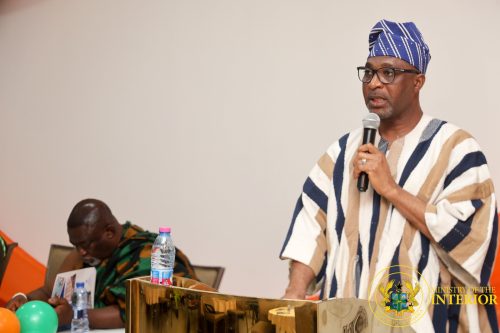
Hon. Muntaka emphasised that Ghana’s approach to disaster management must evolve from reactive interventions—often undertaken after destruction has already occurred—to long-term, preventative strategies that strengthen communities and reduce vulnerability. He explained that every cedi invested in preparedness and resilience ultimately saves several more that would otherwise be spent on recovery and reconstruction.
“Disasters do not just destroy infrastructure; they destroy lives, livelihoods, and years of hard-won progress. If we continue to wait until calamities strike before acting, we will always be chasing recovery instead of ensuring continuity,” Hon. Muntaka stated.
According to him, building resilience is not merely about physical structures, but about strengthening institutions, empowering communities, and integrating risk management into every level of national planning. He noted that resilience funding must become a central part of Ghana’s development agenda, as it is essential for achieving sustainable growth and reducing poverty.
The Asawase legislator commended the government and relevant agencies for ongoing initiatives aimed at reducing disaster risks, particularly mentioning the Ghana Hydrological Authority’s flood control projects and the Ghana Urban Resilience and Integrated Development (GARID) Project, which he described as critical interventions in protecting lives and properties.
He, however, cautioned that while progress has been made, Ghana must not be complacent. He called for a more coordinated national framework that integrates Disaster Risk Reduction (DRR) strategies into local governance systems. Hon. Muntaka further urged increased domestic financing, noting that depending heavily on donor support limits Ghana’s ability to sustain long-term resilience programs.
“Funding resilience should not be seen as an expense but as an investment in our people and our future. Government must take the lead in mobilising resources, while encouraging the private sector to play an active role in financing and implementing disaster preparedness initiatives,” he added.
He also proposed that public-private partnerships (PPPs) be encouraged to leverage innovation, technology, and capital for disaster mitigation. Hon. Muntaka pointed to the potential of community-based early warning systems, modern data management, and digital mapping tools as examples of cost-effective investments that can save countless lives.

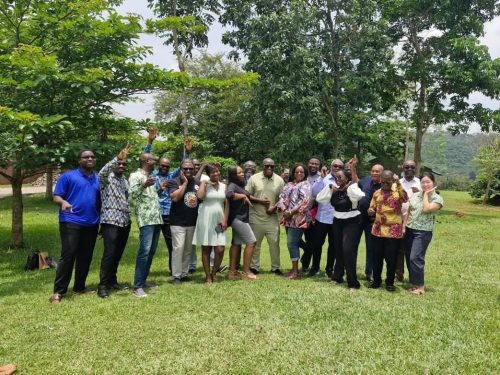
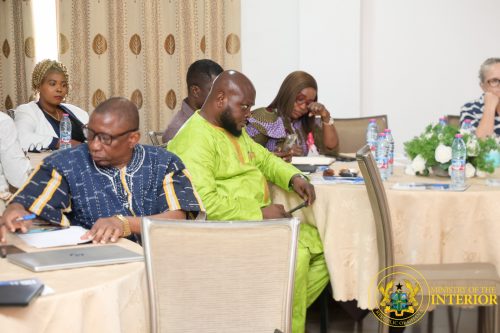
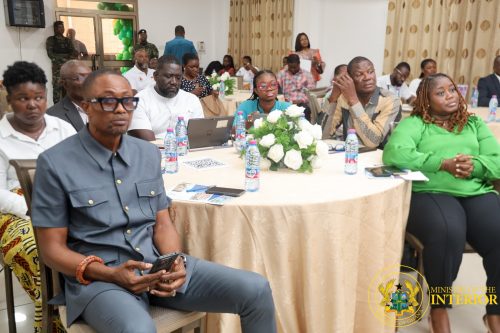
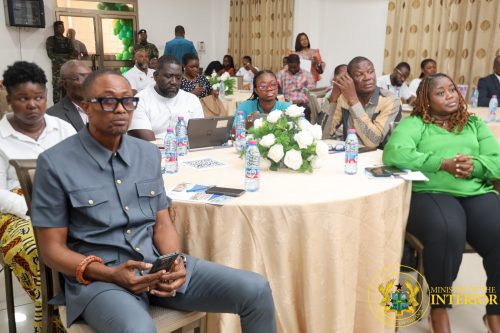
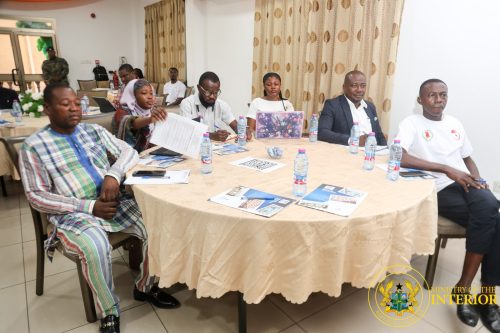
The event, which drew participants from the National Disaster Management Organisation (NADMO), the Ministry of the Interior, development partners, and civil society organisations, featured discussions on Ghana’s current preparedness levels and the urgent need for a unified national strategy to address emerging climate and disaster-related challenges.
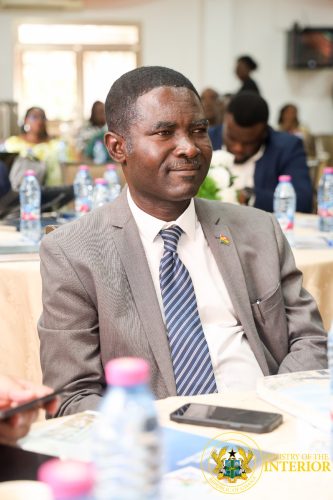
In his remarks, the Acting Director-General of NADMO, Major (Rtd) Dr. Joseph Bikanyi Kuyon, reaffirmed the organisation’s commitment to protecting lives and property. He explained that NADMO is currently undergoing structural reforms to modernise its emergency response systems and strengthen collaboration with key institutions such as the Meteorological Agency, Hydrological Authority, and local assemblies.
Dr. Kuyon appealed to citizens to actively support NADMO’s work, stating that disaster management is a shared responsibility that requires public participation and cooperation. He assured Ghanaians that NADMO is committed to building a more proactive and technologically equipped agency capable of responding swiftly to emergencies.
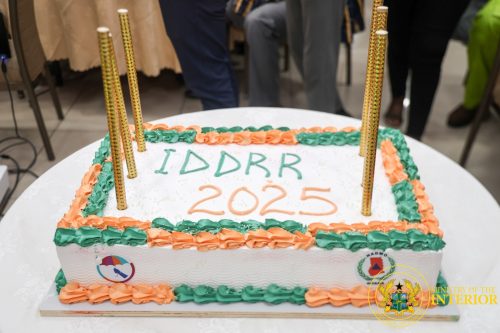
The commemoration of the International Day for Disaster Risk Reduction, observed globally every 13th October, seeks to raise awareness on the importance of reducing risks and vulnerabilities to disasters. This year’s theme — “Fund Resilience, Not Disasters” — reflects the global call to move from crisis response to prevention and preparedness as the foundation of sustainable development.
Hon. Muntaka concluded his address with a powerful reminder: “A resilient Ghana is a secure Ghana. We must not wait for the next flood or fire to act. The time to fund resilience is now, before disaster strikes again.”