
The Kumasi Metropolitan Assembly (KMA) has pledged to pursue inclusive growth and sustainable development as it unveiled its Medium-Term Development Plan (MTDP) for 2026–2029. The plan, presented on Wednesday, September 11, at the Prempeh Assembly Hall in Kumasi, sets out strategies to address the city’s most pressing challenges while ensuring that all communities benefit from development initiatives.
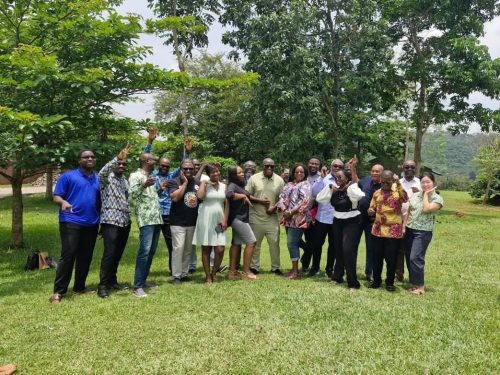
The event brought together Assembly Members, Heads of Departments, Unit Committee Members, and representatives of civil society organizations. Opening the session, the Metro Coordinating Director, Mr. Francis Dwira Darko, explained that the MTDP was developed through extensive consultations across twelve town councils, making it a truly participatory framework. He stressed that the Assembly’s focus is to create opportunities that benefit every resident, regardless of background or location.
Presenting the technical details, the Head of the Physical Planning Unit, Mr. Charles Kwesi Adjei, reviewed the 2022–2025 development plan, assessing successes and areas where targets were not achieved. He noted that the new four-year plan was shaped by community input and highlighted recurring concerns such as inadequate infrastructure, limited employment opportunities, sanitation challenges, and poor service delivery.
Mr. Adjei emphasized that the plan identifies critical issues including security, education, roads, markets, sanitation and waste management, job creation, school infrastructure, water supply, and effective sub-structure governance. These, he said, were the most urgent priorities unanimously agreed upon by stakeholders during the consultation process.

Addressing journalists after the presentation, Mr. Francis Dwira Darko reaffirmed the Assembly’s commitment to inclusivity in implementing the plan. He explained that development efforts must be people-centered, stressing that projects would not be concentrated in a few areas but rather spread across the metropolis to ensure fairness. He also urged residents to complement the Assembly’s work by maintaining clean surroundings and actively supporting community initiatives.
“When citizens play their part, we can dedicate more resources to building roads, schools, and markets rather than diverting them to tackle sanitation problems. Development must be a shared responsibility,” Mr. Darko remarked.
The unveiling of the 2026–2029 plan marks an important step in Kumasi’s development journey. By pledging inclusive growth, the Assembly aims to strengthen infrastructure, improve service delivery, create jobs, and ensure that every community enjoys the benefits of development. Stakeholders who attended the forum expressed confidence in the plan and pledged their commitment to support its successful implementation.