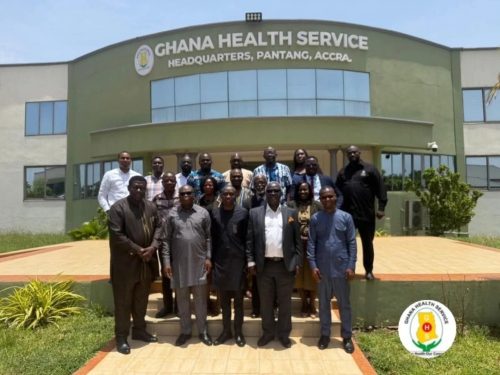

Across Ghana’s public institutions, a painful reality unfolds daily: the men and women who form the backbone of the nation’s workforce are silently enduring unimaginable hardship while a privileged few at the top live in comfort. The junior officers, clerks, and drivers who keep government machinery running are drowning under the weight of rising costs of living, stagnant wages, and a system that seems determined to ignore their sacrifices.

The contrast between those at the helm of power and those at the bottom of the professional ladder is striking. Senior officials move about in fuel-guzzling vehicles they never have to fuel themselves, live in plush, state-sponsored accommodation, and enjoy generous allowances and medical perks. Yet, the junior officers who support their work live paycheck to paycheck, struggling to pay rent, commuting daily from distant suburbs because they cannot afford housing in the city, and spending hours in crowded public transport while watching their meagre salaries evaporate. For these workers, patriotism feels like a burden rather than a badge of honour.

Among the worst-affected are official drivers who remain perpetually on call, ferrying their bosses not only to important assignments but also to personal engagements, often at odd hours and on weekends. These men sacrifice family time, health, and personal well-being to serve their superiors, yet their hard work is rewarded not with recognition or fair compensation but with silence. Their dedication is met with neglect, and their sacrifices are taken for granted in a system that reserves luxury for a select few.

This glaring inequality has become a stain on Ghana’s conscience. It exposes a structural imbalance that prioritizes the comfort of senior officers while condemning junior staff to a life of struggle. The disparity not only breeds resentment but also erodes morale within public institutions, leaving workers feeling undervalued and invisible. The growing frustration among these workers underscores a larger truth: no nation can truly progress while its workforce, the very foundation of its productivity, continues to suffer in silence.

If Ghana is to become a fair and just society, this entrenched system of privilege must be dismantled. There is a moral and national imperative to create a balance that ensures every worker, regardless of rank, is treated with dignity and supported adequately to perform their duties. Until such reforms are undertaken, the plight of the ordinary Ghanaian worker will remain a national disgrace. The cries of those at the bottom will continue to echo unheard, and calls for patriotism from the top will ring hollow, serving only as a painful reminder of a country that has turned its back on its own workers.